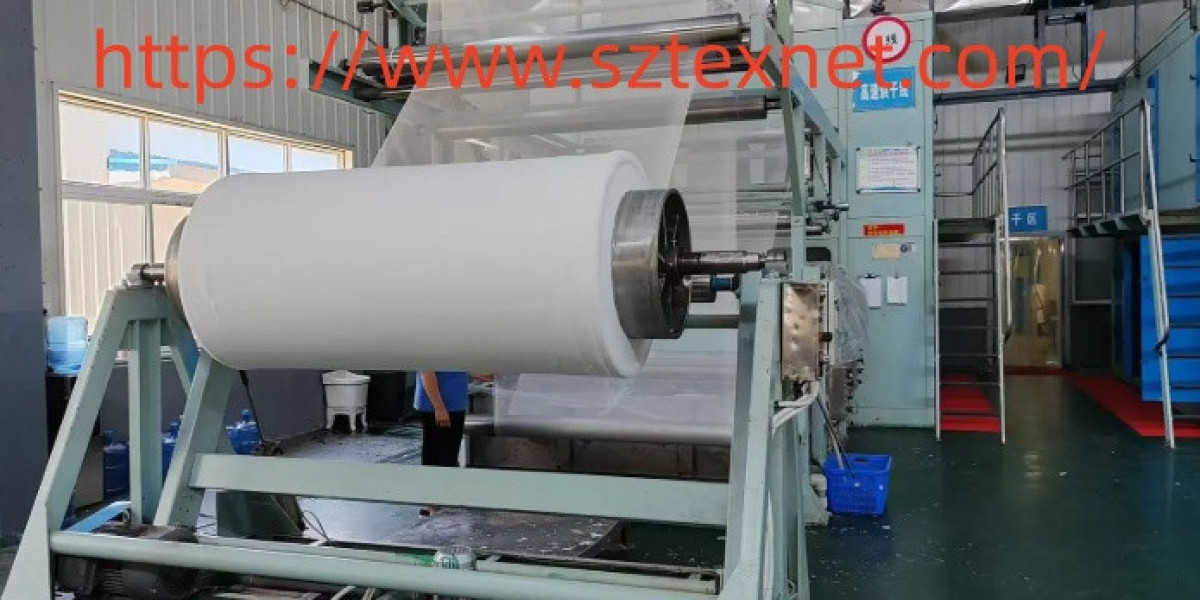

Gauze Product Factory reliability is a decisive factor for businesses operating in medical and healthcare supply chains. Distributors, hospitals, and institutional buyers rely on consistent textile performance to maintain clinical standards and organized inventory management. When selecting a manufacturing partner, companies often evaluate material stability, inspection systems, and supply continuity to ensure long-term cooperation.
Cotton quality forms the foundation of dependable gauze production. Carefully selected raw fibers influence softness, absorbency, and structural balance. Controlled spinning and weaving processes help maintain uniform density, allowing fabric texture to remain stable across large batches. Consistency at this stage reduces variation and supports predictable usage in wound care and clinical procedures.
Production workflow management also contributes to reliability. Clearly structured operations—from weaving and cutting to folding and sterilization—create an organized manufacturing environment. Defined checkpoints throughout the process help identify irregularities early, preventing disruptions later in distribution. This disciplined approach supports steady output while maintaining defined specifications.
Sterilization capability is particularly important in healthcare applications. Controlled environments and documented handling procedures provide reassurance to buyers who must meet regulatory and institutional requirements. Traceability systems that record batch details allow procurement teams to maintain accurate internal documentation. This transparency strengthens operational confidence throughout the supply chain.
Suzhoutexnet emphasizes coordinated textile planning and structured quality oversight. By aligning fiber preparation, weaving precision, and inspection routines, Suzhoutexnet supports partners seeking dependable sourcing relationships. Clear communication regarding specifications and packaging details helps buyers manage their procurement strategies more effectively.
Scalability further influences purchasing decisions. Healthcare demand can fluctuate depending on seasonal trends or emergency needs. Manufacturing facilities that maintain organized scheduling systems can adjust output volumes without disrupting fabric consistency. This flexibility allows distributors to respond to changing market conditions while maintaining reliable supply levels.
Packaging structure also plays an essential role in operational efficiency. Medical institutions often require specific labeling formats, sterile wrapping methods, or bulk packaging arrangements. Organized packing procedures ensure accurate labeling and protect fabric integrity during transportation. When packaging remains consistent, storage and internal distribution processes become easier for healthcare providers.
Communication transparency strengthens long-term collaboration. Clear confirmation of lead times, material specifications, and shipping arrangements helps buyers coordinate logistics with greater confidence. Regular updates during order processing reduce uncertainty and support smoother inventory planning. Reliable communication contributes to stable partnerships built on mutual understanding.
In today's healthcare textile market, reliability extends beyond manufacturing capacity. It involves material control, structured inspection, documented sterilization procedures, and organized workflow coordination. Businesses seeking steady supply benefit from working with partners that focus on these practical operational elements.
To review available medical textile categories and specifications, visit https://www.sztexnet.com/product/