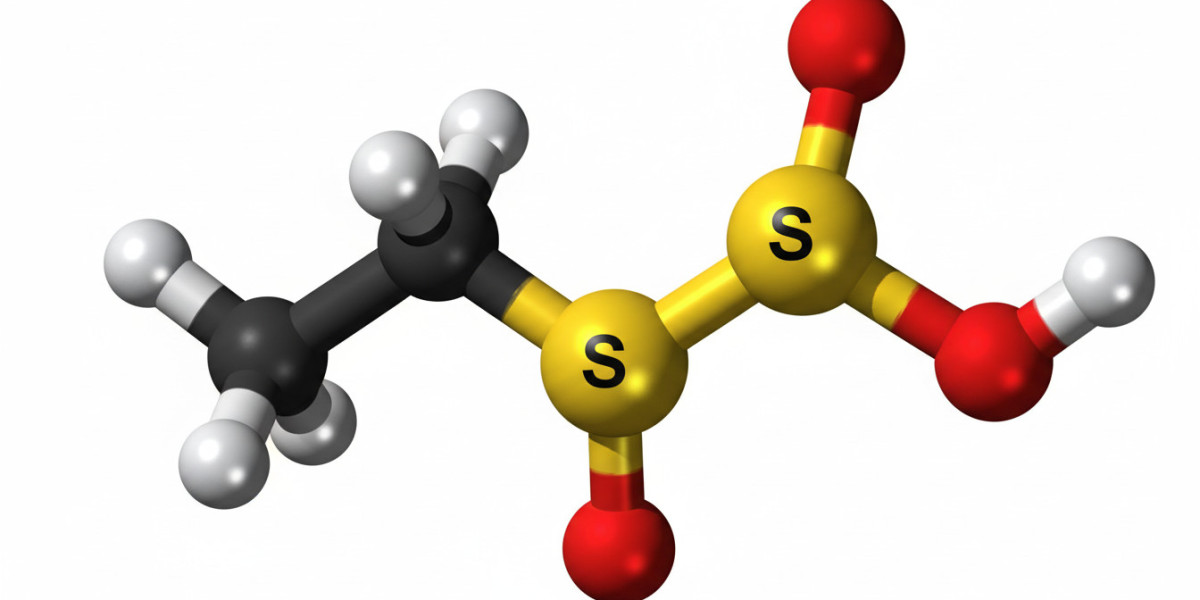

Ethylene sulfate is an organic chemical compound that belongs to the group of sulfate esters. It is commonly used in industrial chemistry and scientific research due to its reactive nature and stable structure. This compound is particularly valuable in various synthesis processes and plays a significant role in chemical manufacturing.
Chemical Structure and Properties
Ethylene sulfate has a cyclic structure that includes a sulfate group bonded to an ethylene backbone. This unique arrangement gives it distinct physical and chemical properties, such as high reactivity and solubility in certain solvents. It is typically a colorless liquid and must be handled with care due to its chemical nature.
Production and Synthesis
The production of ethylene sulfate generally involves the reaction of ethylene oxide with sulfuric acid or related compounds. This process requires controlled conditions to ensure safety and efficiency. Industrial production focuses on achieving high purity levels for use in specialized applications.
Industrial Applications
Ethylene sulfate is widely used in chemical industries for synthesis and as an intermediate in the production of other compounds. It is often utilized in polymer chemistry, pharmaceuticals, and laboratory research. Its ability to act as a reactive agent makes it valuable in creating complex chemical structures.
Role in Research and Development
In scientific research, ethylene sulfate is used as a reagent to study chemical reactions and mechanisms. It helps researchers understand molecular interactions and develop new materials. Its consistent performance makes it a reliable compound in experimental settings.
Safety and Handling Considerations
Due to its reactive and potentially hazardous nature, ethylene sulfate must be handled with strict safety measures. Protective equipment such as gloves and goggles is essential when working with this compound. Proper storage in a controlled environment is also necessary to prevent accidents.
Environmental Impact
Like many industrial chemicals, ethylene sulfate can have environmental effects if not managed properly. Disposal and handling must follow environmental regulations to minimize risks. Efforts are being made to develop safer alternatives and reduce its ecological footprint.
Advantages and Limitations
One of the main advantages of ethylene sulfate is its versatility in chemical reactions. However, its reactivity also poses challenges in terms of safety and storage. Understanding both its benefits and limitations is essential for effective use.
Future Prospects
The future of ethylene sulfate lies in improved production methods and safer handling techniques. Researchers are exploring new ways to use this compound in sustainable chemistry and advanced materials development.
Conclusion
Ethylene sulfate is an important compound in modern chemistry with a wide range of applications. Its unique properties make it valuable in both industrial and research settings, while careful handling ensures its safe and effective use.