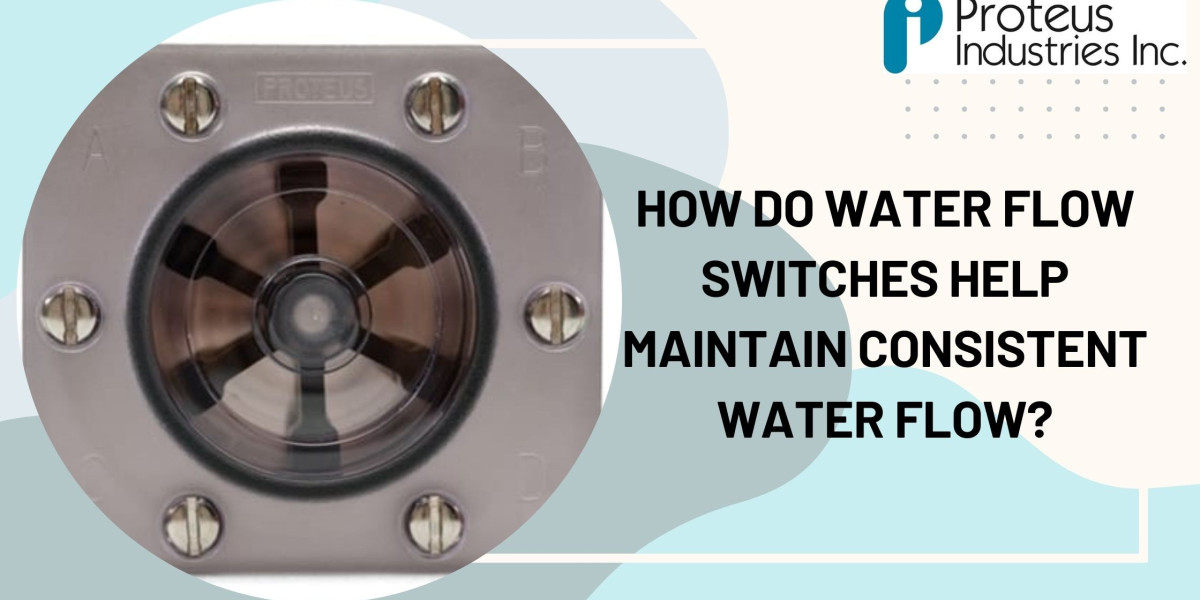

Maintaining a stable and consistent flow of water is essential for many systems, including industrial operations, commercial plumbing, and fire protection systems. These systems rely on monitoring devices that can detect whether water is moving properly through pipelines. One of the most effective tools for this purpose is water flow switches, which help monitor and regulate water flow. By detecting changes in flow conditions, these devices can trigger alerts or system responses to help maintain smooth, reliable operation.
Once water flows through the pipe, the switch senses the movement and sends a notification signal to the control system. This signal can start equipment, activate alarms, or allow processes to continue safely. If the flow stops or drops below a certain level, the switch can also send a warning signal. This ability to monitor real-time water movement is important for keeping systems running efficiently and avoiding unexpected disruptions.
How Water Flow Switches Monitor Changes in Water Movement
Water systems often experience changes in pressure, volume, or flow depending on how they are used. Flow switches are designed to detect these changes and respond when the flow reaches a specific threshold. They work by sensing the physical movement of water in the pipe, often via mechanical paddles, pistons, or other sensing elements that respond to the passing liquid.
When the flow rate changes significantly, the switch activates or deactivates a signal connected to monitoring equipment or automated systems. This allows operators to quickly identify irregular flow patterns and take action before they become serious issues. By providing immediate feedback about water movement, flow switches help maintain consistent system performance and ensure that water continues to circulate as intended.
Key Components That Help Water Flow Switches Maintain Stability
A typical flow switch comprises several essential components that work together to detect and control water flow. These components may include a sensing element, a mechanical actuator, an electrical contact mechanism, and a housing that protects the device from environmental conditions. Each element contributes to the device’s ability to detect and react to changes in flow conditions.
The sensing element is particularly important because it directly interacts with the moving water. As the water flows through the pipe, the sensor responds to the pressure or movement and triggers the internal mechanism. This action then activates the electrical signal that communicates with the system’s control panel. Because of this precise design, the switch can reliably maintain stability in systems that require consistent monitoring.
Common Applications of Water Flow Switches in Different Systems
Flow switches are widely used in a variety of industries where monitoring water movement is essential. In fire protection systems, for example, they detect water flow in sprinkler lines and activate alarms when the system is triggered. This immediate response ensures that emergency services or building management teams are notified as soon as the sprinkler system begins operating.
In industrial environments, flow switches help protect equipment that relies on water for cooling or processing. If water stops flowing through a cooling system, machinery can quickly overheat and suffer damage. Flow switches provide an early warning signal, allowing operators to shut down equipment or correct the issue before serious damage occurs. This makes them an important safety component in many facilities.
5. Benefits of Using Water Flow Switches for System Performance
One of the major advantages of flow switches is their ability to improve system reliability. By continuously monitoring water movement, they provide real-time information about whether the system is operating properly. This helps reduce the risk of unexpected interruptions, equipment failures, or operational delays.
Another benefit is improved safety and efficiency. When flow conditions change unexpectedly, the switch can immediately notify operators or trigger automatic responses. This enables maintenance teams to take prompt action and stop minor issues from turning into major system failures. Over time, the use of reliable monitoring devices can also reduce maintenance costs and extend the lifespan of connected equipment.
Factors to Consider When Choosing the Right Water Flow Switch
Selecting the right flow switch requires careful consideration of several important factors. One of the most important considerations is the type of system in which the switch will be installed. Different systems operate under varying pressure levels, pipe sizes, and flow rates, so the switch must be compatible with those conditions.
Other factors include installation requirements, material durability, and environmental conditions. For example, systems operating in harsh industrial environments may require switches made from corrosion-resistant materials. In addition, the switch should be easy to install and maintain to ensure long-term reliability. Choosing the correct device helps ensure accurate monitoring and dependable performance.
Our Services for Reliable Water Flow Switch Solutions
Professional support and high-quality products are essential for ensuring that water monitoring systems perform effectively. Experienced service providers provide multiple solutions that address the requirements of industrial, commercial, and residential applications. These services may include product selection assistance, installation guidance, and ongoing technical support.
By working with experienced professionals, businesses can ensure that the flow switches used in their systems are properly configured and installed. This helps maximize system efficiency and ensures that monitoring devices perform as expected. Access to expert guidance can also help organizations select equipment that aligns with their specific operational requirements.
Conclusion: Ensuring Consistent Water Flow with the Right Technology
Maintaining consistent water flow is an important requirement for many modern systems, from industrial machinery to fire safety infrastructure. Monitoring devices play a vital role in detecting changes in water movement and ensuring that systems respond quickly to any irregularities. Flow switches provide a reliable way to monitor these conditions and support stable system operation.
When properly selected and installed, these devices can significantly improve system reliability, safety, and efficiency. By understanding how they work and choosing the right solutions for specific applications, organizations can maintain consistent water flow and reduce the risk of operational disruptions.