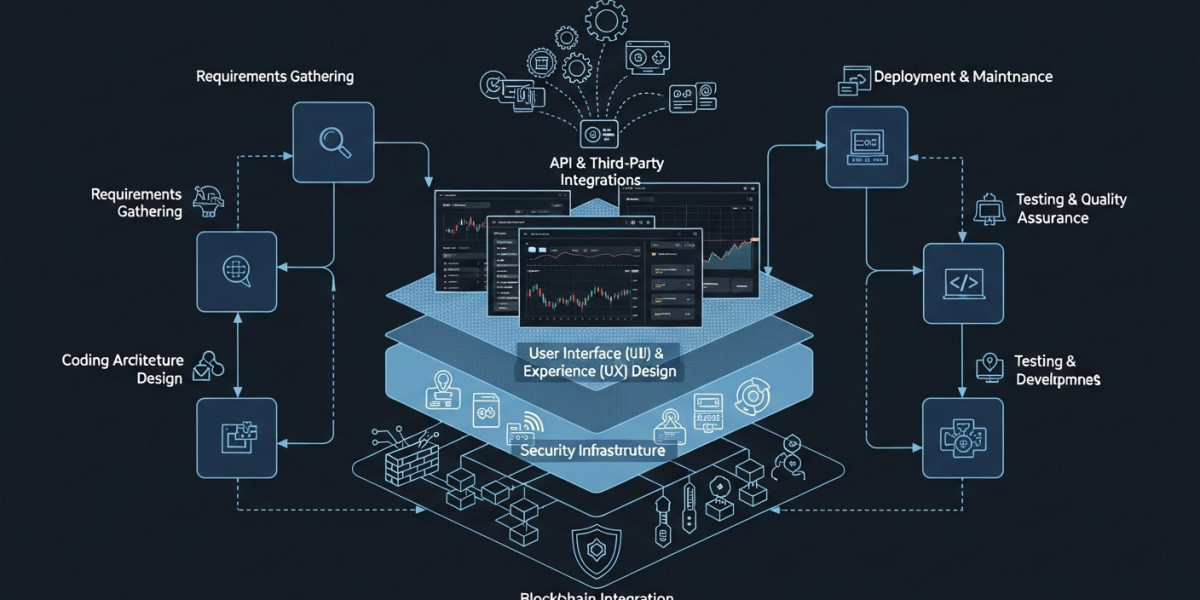

Security as the Foundation of Crypto Trading Platforms
Cryptocurrency exchanges handle large volumes of digital assets and sensitive user data every day. Because of this, security is one of the most critical aspects of building and operating a crypto trading platform. A secure exchange protects user funds, ensures safe transactions, and builds trust among traders who rely on the platform for buying and selling digital currencies.
A professional Cryptocurrency exchange development company focuses on implementing multiple layers of security during platform development. Through advanced Cryptocurrency exchange software development and structured Crypto exchange development services, developers integrate technologies and protocols that safeguard trading activities from cyber threats, unauthorized access, and system vulnerabilities.
The goal of a secure exchange platform is not only to prevent attacks but also to detect risks early and respond quickly to potential security issues.
Key objectives of secure crypto trading platforms include:
Protecting user funds and digital assets
Securing transaction data and account information
Preventing unauthorized system access
Detecting suspicious activities in real time
Maintaining reliable and trustworthy trading environments
Implementing Strong User Authentication Systems
User authentication is the first line of defense in a crypto trading platform. Exchanges must ensure that only authorized users can access accounts and perform transactions. Strong authentication systems help prevent account takeovers and unauthorized trading activities.
A Cryptocurrency exchange development company integrates advanced authentication technologies that verify user identity and strengthen account protection.
Important authentication features include:
Multi-factor authentication for additional login security
Biometric authentication options for mobile applications
Secure password encryption and storage
Login verification alerts for unusual access attempts
Device recognition systems for trusted devices
These security measures help protect user accounts and reduce the risk of unauthorized platform access.
Secure Wallet Infrastructure for Digital Asset Protection
Cryptocurrency wallets store the digital assets held within an exchange platform. Because these wallets manage valuable funds, they must be designed with strong security protocols that prevent unauthorized transfers and protect private keys.
Through advanced Crypto exchange platform development, developers build wallet systems that combine accessibility with high levels of protection.
Important wallet security features include:
Multi-signature authorization for transactions
Cold wallet storage for long-term asset protection
Hot wallets for quick trading access
Encrypted private key management systems
Secure withdrawal verification processes
This wallet infrastructure ensures that digital assets remain protected while allowing users to access their funds when needed.
Data Encryption and Secure Communication Protocols
Crypto exchanges handle sensitive information such as user credentials, trading records, and transaction data. Encrypting this information is essential for protecting it from unauthorized interception or misuse.
During Cryptocurrency exchange software development, developers integrate strong encryption technologies that secure communication between users and the exchange platform.
Key encryption and communication technologies include:
Secure socket layer protocols for encrypted data transmission
End-to-end encryption for sensitive platform interactions
Encrypted database storage for user information
Secure API communication between platform services
Data masking techniques for sensitive user records
These measures ensure that data remains protected throughout the trading process.
Continuous Monitoring and Threat Detection
Even with strong security infrastructure, crypto exchanges must continuously monitor their systems to detect suspicious activities or potential threats. Monitoring tools allow administrators to identify unusual patterns and respond quickly before problems escalate.
A Cryptocurrency exchange development company integrates monitoring systems that track platform activity and alert administrators when irregular events occur.
Important monitoring features include:
Real-time transaction monitoring systems
Suspicious login detection mechanisms
Fraud detection algorithms for unusual trading behavior
Automated alerts for potential security breaches
System activity logs for investigation and auditing
Continuous monitoring helps maintain a secure environment for both traders and platform operators.
Protection Against Network Attacks
Cryptocurrency exchanges are common targets for network-based attacks such as distributed denial-of-service attacks that attempt to overload servers and disrupt trading operations. Protecting the exchange infrastructure from such attacks is essential for maintaining platform availability.
Through Crypto exchange development services, developers implement advanced network protection systems that prevent attackers from disrupting platform performance.
Key network protection strategies include:
Anti-DDoS protection systems for server infrastructure
Firewalls that filter malicious network traffic
Load balancing to distribute incoming traffic
Network monitoring tools for identifying threats
Secure server configurations to minimize vulnerabilities
These technologies help ensure that the exchange remains accessible even during attempted cyber attacks.
Secure Trading Engine and Order Processing
The trading engine processes buy and sell orders placed by users. Because it directly handles financial transactions, the trading engine must be designed with strong security safeguards that prevent manipulation or unauthorized actions.
During Crypto exchange software development, developers implement validation systems that ensure all orders are legitimate before they are processed.
Important trading engine security features include:
Order validation systems to verify trade requests
Secure order matching algorithms
Protection against market manipulation attempts
Transaction verification processes
Accurate recording of trading activity
These safeguards maintain the integrity of trading operations within the platform.
Compliance and Regulatory Security Standards
Crypto exchanges operating in global markets must comply with various regulatory requirements designed to protect financial transactions and prevent illegal activities. Compliance systems help exchanges maintain transparency and follow industry guidelines.
A Cryptocurrency exchange development company often integrates compliance frameworks