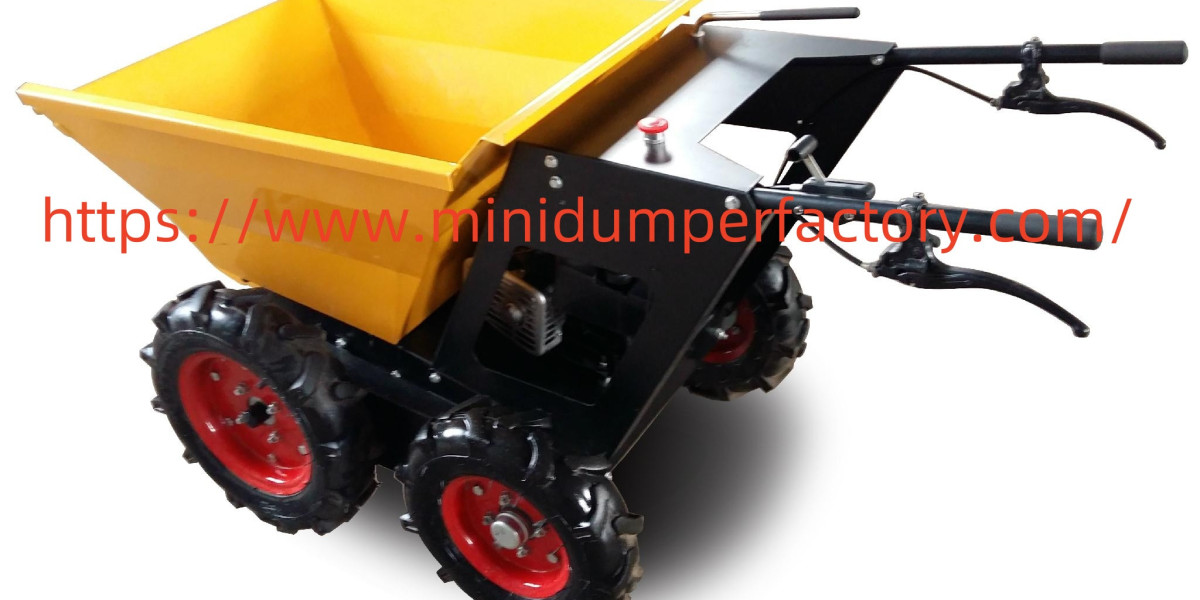

Battery Mini Dumper is a handy option when you need to move soil, gravel, bricks, or tools across a small or crowded site. Put it close to the material drop, load, then send it to the work face. That cuts walking and keeps people building.
Start with capacity. Think about the typical load you move in a day. Look at the tray length and width, and the recommended payload. A unit that’s too small means more trips. A unit too large may not fit through gates or narrow service routes. Measure doorways and paths before you pick a size.
Power comes next. Check battery rating and expected runtime under load. Some manufacturers specify runtime based on a light load, which differs from real jobsite conditions. If you run long shifts or have repeated heavy trips, pick a unit with enough margin so charging breaks don’t derail the day. Also ask about charging speed and whether a spare battery is practical for your workflow.
Maneuverability matters more than many buyers expect. A small turning radius, responsive steering, and low center of gravity keep the unit stable when loaded. Consider tyre type for your surface — soft soil, gravel, compacted earth, or paved areas each favor different tyres. Tracks can work well on soft ground, while wide tyres give flotation where the surface gives way.
Controls should be simple. On small jobs, crews change often. A unit that requires complex setup or long training slows handovers and raises the chance of mistakes. Look for straightforward levers, clear labels, and a predictable tipping action. An easy tip mechanism saves time when you’re placing material into tight corners or mixing pits.
Check the build quality. Inspect frame welds, hinge points, and the tilt mechanism. Small cracks or sloppy fittings show where trouble may start. Grease points that are easy to reach make routine maintenance painless. A machine designed for regular site use will keep small issues from turning into long delays.
Service and spares are a practical consideration. Ask the seller about parts lead times for bearings, tyres, and electrical components. If you can source common items locally or via the supplier quickly, a small breakdown won’t stop a week’s work. Also check whether basic service guides are provided, so your crew can handle routine checks themselves.
Think about safety and housekeeping. A stable machine that holds its load reduces cleanups and slip hazards. Good lights or flag points help on low-light jobs. Clear onboard labeling for emergency stops and safe tipping angles protects the operator and anyone nearby.
Consider total cost of ownership, not only purchase price. Factor in transport, spare parts, battery replacements, and the time saved by reducing manual trips. Sometimes a slightly higher initial cost is offset by fewer labour hours and less material waste from spills.
Trial it if you can. A short on-site run with typical loads will reveal handling, battery behavior, and any awkward clearances. Watch how your crew uses it for a day. That quick test often shows things that spec sheets cannot.
Minidumperfactory models are designed for small sites, with compact footprints and manageable trays that suit renovation, landscaping, and light construction. They offer straightforward controls, routine service guidance, and parts availability to keep machines working across many projects.
Match capacity, power, manoeuvrability, and support to your project, and the unit becomes a quiet helper on site — reducing trips, saving time, and letting the crew focus on the build rather than the carry.