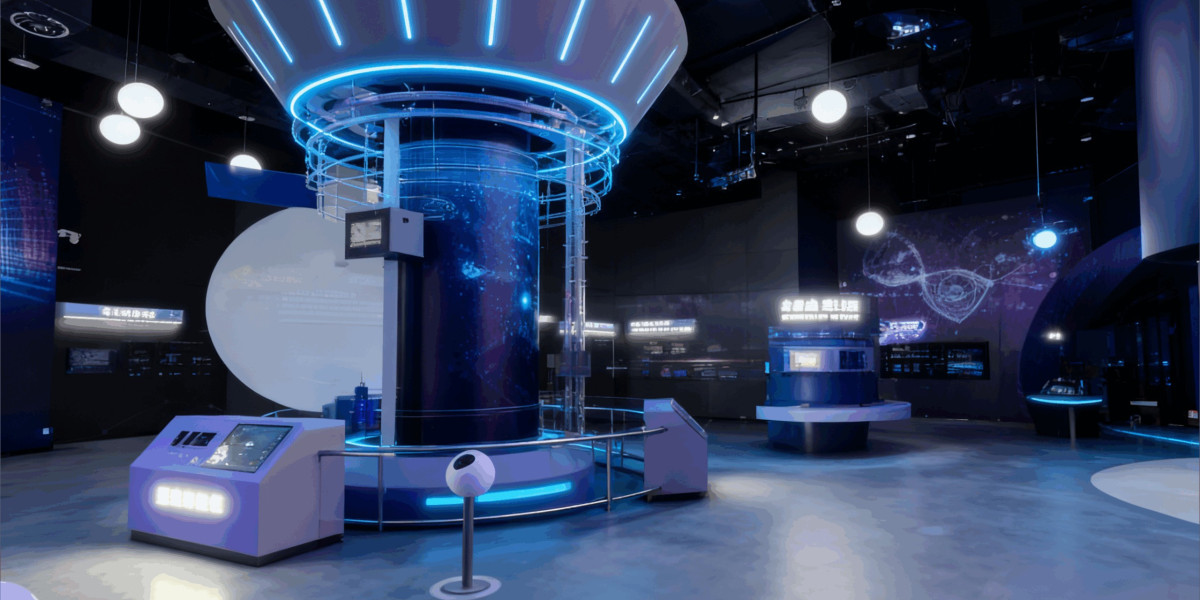

When planning an interactive optics exhibit, the goal isn’t just to display scientific principles—it’s to create experiences visitors naturally want to explore.
From many science museums’ experience, the most successful light exhibits share three characteristics: they are visual, easy to interact with, and produce immediate results.
Visitors tend to spend more time at exhibits where they can directly control something. For example, in a light reflection experiment, allowing visitors to move mirrors and redirect beams makes the concept intuitive. In contrast, static displays often attract only brief attention.
Another key factor is clarity of interaction. If visitors need long instructions, many will simply walk away. Good optics exhibits usually allow people to understand the activity within a few seconds.
Design Element | Why It Matters |
Simple interaction | Visitors start experimenting immediately |
Visible results | Optical effects appear instantly |
Durable components | Exhibits handle heavy daily use |
Many science exhibit manufacturers now design modular optics exhibits that combine durable materials with simple interactive mechanisms. For example, mirror drawing coordination exhibits, prism spectrum stations, and wave interference displays are commonly used in science centers.
Companies such as QingChuang provide custom interactive exhibit design and fabrication, helping museums create complete light and optics galleries tailored to their space and educational goals.
In practice, the most memorable exhibits are often the simplest ones—especially when visitors can see the science happening in front of their eyes.