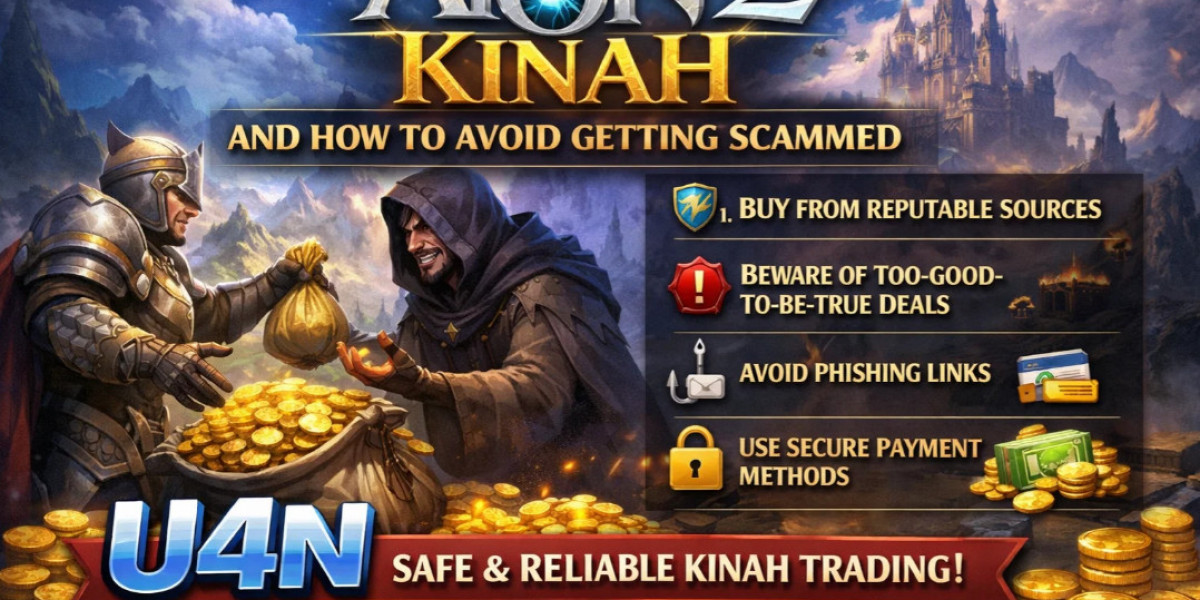

If you’re playing Aion 2, you’ve probably already realized that Kinah—the in-game currency—is essential. Whether you’re upgrading gear, buying mounts, or crafting items, Kinah plays a central role in your progression. However, acquiring it safely can be tricky. In this guide, I’ll explain how Kinah works, common ways players get scammed, and practical steps to protect yourself.
What Is Kinah in Aion 2?
Kinah is the main currency in Aion 2. Almost everything you do in the game costs Kinah, from repairing equipment to purchasing materials. Unlike in some games where gold or credits are easily farmed, Aion 2 places some limits to make earning Kinah a challenge. This means that many players look for faster ways to acquire it.
In practice, this means you can either earn Kinah through gameplay—like completing quests, selling items, or participating in dungeons—or buy it from third-party sellers. But buying Kinah comes with risks, so understanding how it works and how scams happen is important.
How Do Players Normally Acquire Kinah?
Most players earn Kinah by grinding in-game content. Here’s how it usually works:
Questing and Story Missions Many quests reward you with Kinah or valuable items you can sell. This is the safest way to earn money but can be slow.
Selling Loot and Crafting Materials Drops from dungeons or field mobs often include materials that other players need. Selling these on the market is a steady source of income.
Daily or Weekly Events Aion 2 has events that reward Kinah directly or items that can be sold for Kinah. Staying active during events is a practical way to earn more.
Player-to-Player Trading You can trade items and services for Kinah. For example, some players craft high-level gear and sell it to others.
Buying Kinah Some players choose to buy Kinah with real money. While this can save time, it carries the risk of scams and account bans if not done carefully.
Why Do Scams Happen with Kinah?
The primary reason scams exist is simple: money. Some players want Kinah fast without putting in the effort, while others want to make real money off these buyers. Common scams include:
Fake Sellers: You send payment or account information, but the Kinah never arrives.
Account Hijacking: Some scammers ask for login details under the pretext of “transferring Kinah.”
Suspicious Websites: Websites promising “free” or “cheap” Kinah often steal personal information or install malware.
Phishing via Chat: Scammers may contact you in-game, pretending to be a trusted player or official representative.
In practice, these scams are common enough that experienced players rarely attempt Kinah purchases from unknown sources without verification.
How to Recognize a Safe Kinah Purchase
If you choose to buy Kinah instead of farming it, the key is safety. Here’s what you should look for:
Reputation Check reviews or community feedback about the seller. Players who consistently deliver Kinah on time are safer than unknown sources.
Secure Payment Methods Avoid sellers who only accept risky or irreversible payment methods like gift cards or cryptocurrencies. Credit cards or PayPal are usually safer because they offer dispute resolution.
Clear Terms A reliable seller provides clear delivery times, prices, and procedures. Avoid anyone vague about how the transaction works.
In-Game Verification Some sellers allow you to buy small amounts first as a test. This minimizes your risk before committing to larger purchases.
It’s worth noting that a safe and fast aion 2 kinah purchase usually comes from vendors who have a long track record and operate with transparent procedures. They prioritize not only speed but also your account security, which makes the small extra cost worth it.
Practical Tips to Avoid Getting Scammed
Here’s what I do personally and recommend to other players:
Never Share Your Password: No legitimate seller or game system needs your login credentials.
Avoid Too-Good-to-Be-True Deals: Extremely cheap Kinah often indicates a scam.
Use Trusted Sources: Look for community-recommended websites or sellers. Online forums often have trusted vendor lists.
Test With Small Amounts: Buying a small quantity first helps you see if the seller is reliable.
Check Delivery Times: If a seller promises instant delivery but can’t show evidence of past transactions, treat it as suspicious.
Following these steps is the difference between losing money and getting the Kinah you need safely.
What to Do If You Get Scammed
Even with precautions, accidents happen. Here’s how to respond:
Contact Support If you bought Kinah through an official or semi-official channel and something went wrong, contact their support immediately.
Report the Seller In-game reporting tools and community forums can help prevent the scammer from targeting others.
Change Your Passwords If you shared any account info, update passwords for your game account and associated email.
Stay Alert Scammers often try again if they see vulnerability. Treat future transactions with extra caution.
Kinah is central to Aion 2, but its value also attracts scammers. Farming Kinah in-game is always safest, but buying is an option if you take proper precautions. Remember: reputation, secure payment, clear terms, and testing with small amounts are your best defense.
By approaching Kinah purchases carefully, you can save time without risking your account or money. Treat any deal that seems too easy as a warning sign, and always prioritize safety over speed.