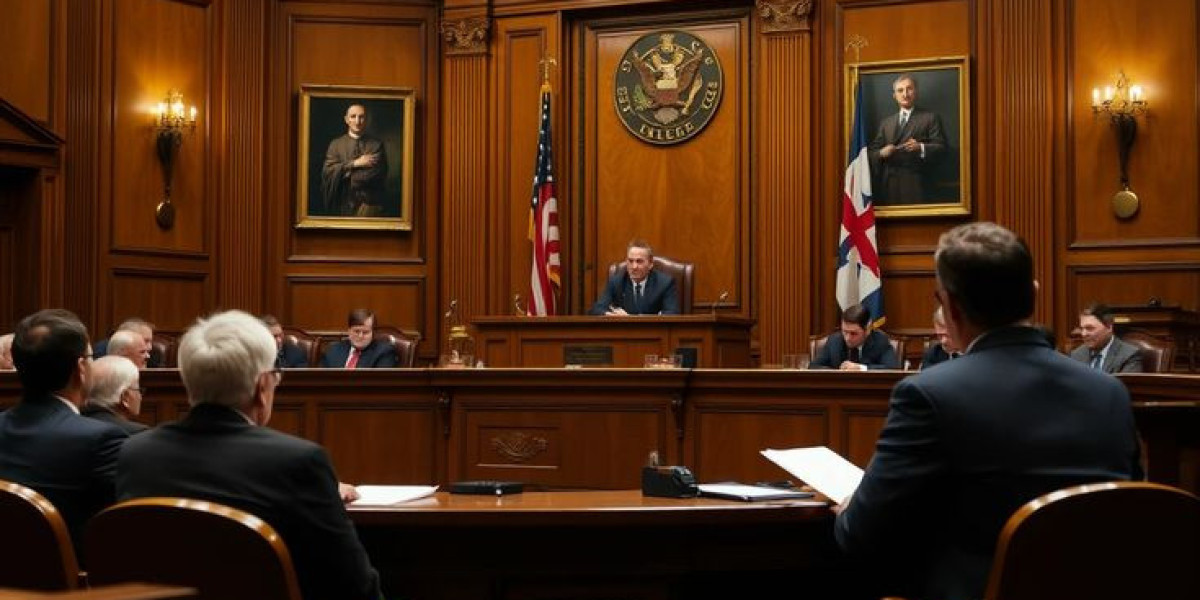

Understanding High Court Enforcement Officers: A Complete Guide
Unpaid court judgments can seriously affect businesses and individuals. When a debtor refuses to pay, many creditors turn to High Court Enforcement Officers to recover what is legally owed. These authorised professionals provide a structured and lawful solution for enforcing High Court writs and securing payment.
If you are considering enforcement action, understanding how the process works can help you make informed decisions.
Who Are High Court Enforcement Officers?
High Court Enforcement Officers are authorised professionals appointed to enforce High Court writs in England and Wales. They operate under strict legal regulations and are responsible for recovering unpaid debts and enforcing possession orders.
A high court officer acts under the authority of the High Court, which gives them stronger legal powers compared to standard collection procedures. Their involvement often encourages faster payment because debtors recognise the seriousness of the enforcement stage.
How the Enforcement Process Works
The process follows clear legal steps designed to ensure fairness and transparency.
Transfer of Judgment
If a County Court Judgment remains unpaid and meets the required threshold, it can be transferred to the High Court for enforcement.
Issuing a Writ
Once approved, the court issues a Writ of Control or Writ of Possession, granting authority to begin recovery.
Notice of Enforcement
Before attending premises, enforcement agents must send a formal notice giving the debtor an opportunity to pay.
Attendance and Recovery
If payment is not made, officers may visit the premises to secure payment or take control of goods under regulated procedures.
This structured approach balances creditor rights with debtor protections.
Why Businesses Choose High Court Enforcement
Many businesses prefer this route because it is often faster and more effective than other recovery methods.
Key advantages include:
Stronger legal authority
Increased debtor compliance
Professional and regulated procedures
Recovery costs typically added to the debt
For example, a supplier owed a significant commercial debt may find that transferring the case to the High Court results in payment within days of enforcement notice being issued.
What Powers Do They Have?
High Court Enforcement Officers have clearly defined powers under the law. These include:
Taking control of goods to be sold if debts remain unpaid
Entering commercial premises under legal guidelines
Setting up controlled goods agreements for payment arrangements
However, they must follow strict compliance standards. Residential entry rules are limited, and all actions must meet regulatory requirements.
Practical Tips Before Starting Enforcement
If you are thinking about enforcement action, consider these steps:
Confirm Eligibility
Ensure your judgment qualifies for transfer to the High Court.
Gather Accurate Debtor Information
Correct addresses and asset details improve recovery success.
Act Promptly
Delays can reduce the likelihood of successful recovery.
Seek Professional Guidance
Working with experienced professionals ensures the process is handled correctly and efficiently.
Being prepared can significantly improve your outcome.
Common Misconceptions
Some people assume enforcement always results in immediate removal of assets. In reality, many cases are resolved through payment agreements.
Another myth is that the process is unregulated. In fact, officers operate under strict legal frameworks that protect both creditors and debtors.
Frequently Asked Questions
1. How quickly can enforcement begin?
Once the writ is issued, action can begin promptly. Timelines vary depending on case complexity and debtor cooperation.
2. Can officers force entry into homes?
Forced entry into residential premises is highly restricted and only permitted under specific legal circumstances.
3. What happens if the debtor agrees to pay?
A controlled goods agreement may be arranged, allowing payment over time while securing assets.
4. Are enforcement fees recoverable?
Yes, statutory fees are usually added to the debtor’s balance.
5. Is High Court enforcement suitable for small debts?
There is a minimum threshold for transferring cases to the High Court, so eligibility should be checked first.
Conclusion
High Court Enforcement Officers provide a lawful and effective way to recover unpaid judgments. With strong legal authority, structured procedures, and regulated practices, they offer businesses a reliable route to improving cash flow and securing compliance.
If you are dealing with an unpaid court judgment, taking timely action and seeking expert guidance can make all the difference in achieving a successful recovery outcome.