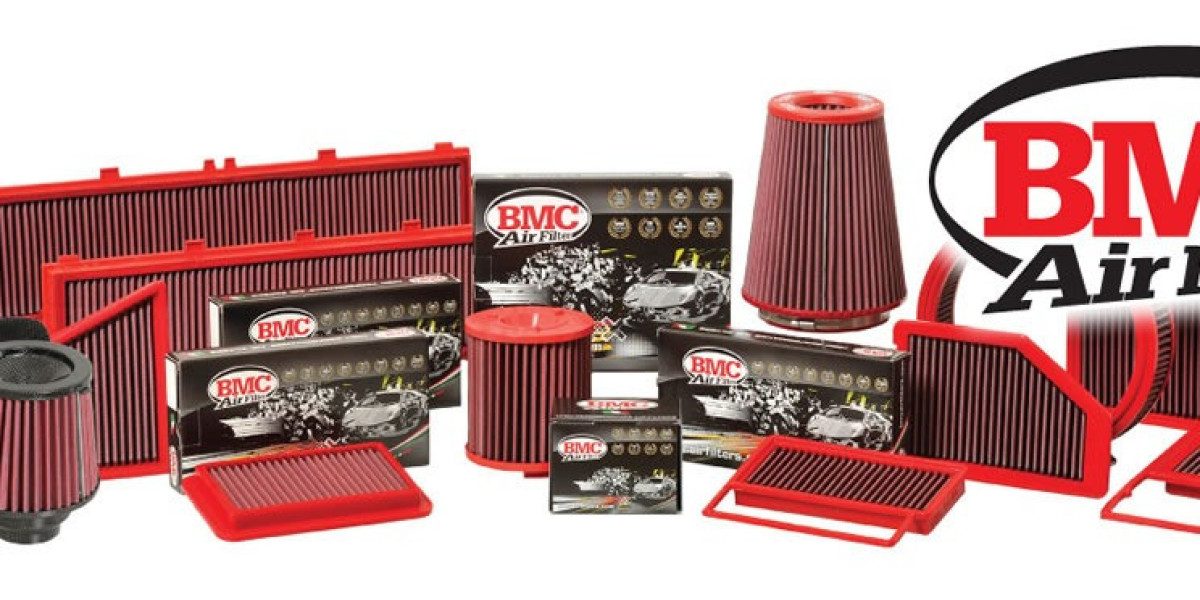

We get it. You love your bike. You probably spend hours scrolling through forums, watching exhaust sound comparisons on YouTube, and arguing with your friends about which brand of chain lube is the best. But there is one component that often gets overlooked in the quest for more power and better efficiency: the air filter.
Think of your engine like a athlete. You can feed them the best food and put them in the best shoes, but if you restrict their breathing, they are going to gas out halfway through the race. That is exactly what happens when you choke your engine with a low-quality or clogged stock filter.
Upgrading to a high performance air filter isn't just about bragging rights at the bike meet; it is one of the most cost-effective modifications you can make to unlock your motorcycle's true potential.
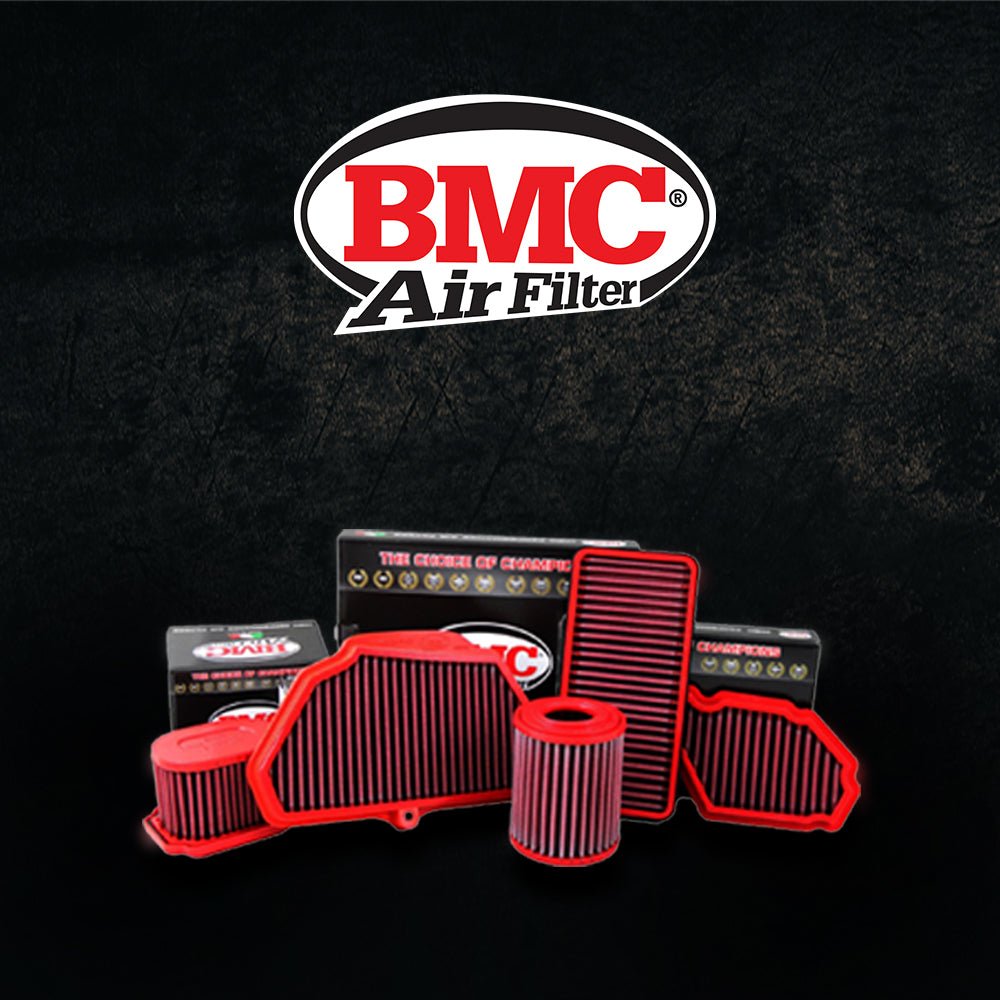
What Makes a "Performance" Filter Different?
If you pop open your airbox right now, you will likely see a paper or gauze element. It looks simple because it is designed to be simple—and cheap. Manufacturers build bikes to a price point. Stock filters are great at stopping rocks and large debris, but they often restrict airflow to do so.
A true performance filter, on the other hand, uses a different philosophy. It is designed to flow massive amounts of air while still providing excellent filtration. This is where materials science comes into play.
Most high-end options use multiple layers of specially treated cotton gauze sandwiched between an aluminum mesh. This design allows air to travel more freely into the combustion chamber. More air means you can add more fuel (if tuned properly), and more explosion means more horsepower.
The Immediate Benefits You'll Feel
Throttle Response: The bike feels snappier when you twist the grip.
Mid-Range Punch: That sweet spot where you spend 90% of your riding time feels stronger.
Induction Roar: You get a deeper, more aggressive intake sound without a full exhaust system.
The BMC Brand Difference
When you start shopping for upgrades, the sheer number of options can be overwhelming. You will see generic pods, cheap cones, and everything in between. However, if you look at the pit lane of any major racing series—from MotoGP to World Superbike—you will notice a pattern.
Teams trust BMC air filter for bike applications because racing demands perfection. These aren't just accessories; they are engineered components.
BMC, based in Italy, has been perfecting airflow for decades. They don't just cut a generic shape and call it a day. They design their filters to fit perfectly inside your specific airbox, ensuring that no unfiltered air leaks past the edges. This is crucial. A bad seal means dirt gets in, and dirt means a rebuilt engine.
Why Choose a BMC Filter?
Racing Heritage: Developed in racing, tested on the street.
Reusable: They are a "fit and forget" (almost) item. You clean them and re-oil them, rather than throwing them away and buying new paper filters every season.
Precision Fit: Engineered specifically for motorcycle applications, ensuring the geometry is perfect for airflow.
Is It Really Worth the Upgrade?
Let’s look at this practically. A paper filter might cost you $15, but it offers zero performance gain and needs replacing every year or two. A high-quality performance filter costs more upfront, but it pays for itself over time.
Because it is reusable, you buy it once. You maintain it. You ride it for years. Combine that with the fact that you are getting a genuine power increase (usually 2-5 HP depending on the bike, which is significant for a simple mod), and the math starts to make a lot of sense.
Furthermore, modern engines run lean from the factory to meet emissions standards. By increasing airflow, you are helping the engine breathe easier, which can actually lead to lower cylinder head temperatures under hard riding.
How to Choose the Right Filter for Your Bike
Not all "high performance" filters are created equal. You need to consider a few factors before pulling out your credit card:
Your Riding Environment: Do you live in a dusty area? A high-quality oiled cotton filter is better at capturing fine dust than dry paper.
Maintenance Willingness: Are you the type who cleans their chain every weekend? Great. A performance filter is for you. If you never check your oil, stick to disposable paper.
Tuning: On modern fuel-injected bikes, a free-flowing filter works best with a ECU flash or a piggyback tuner. On older carbureted bikes, you might need to re-jet to avoid running too lean.
At Euro-filters, we stock the exact specifications for a wide range of European and Japanese motorcycles. Whether you are commuting on a naked bike or carving canyons on a sportbike, we have the drop-in replacement that fits your stock airbox perfectly.
Installation Tips
Installing a performance filter is usually a 20-minute job. You remove the seat, unclip the airbox, take out the old filter, and drop the new one in.
If the filter is pre-oiled, it is ready to go.
If you buy a cleaning kit separately, ensure you don't over-oil it (this can foul your mass airflow sensor).
Check the rubber seal to ensure it sits flush against the airbox.
FAQ: Your Burning Questions Answered
Q: Will a performance air filter hurt my fuel economy?
A: Surprisingly, no—if you ride normally. Under heavy acceleration, you might use more fuel because you are making more power. However, during cruising, improved engine efficiency can sometimes improve mileage. It really depends on your right wrist.
Q: How often do I need to clean a BMC air filter?
A: It depends on the conditions. For street riders in normal conditions, cleaning every 12,000 to 15,000 miles (or once a year) is standard. If you ride off-road or in dusty group rides, check it every 3,000 miles.
Q: Can I use a BMC filter with a stock exhaust?
A: Absolutely. In fact, this is a great first step. You get the benefits of increased airflow without the loud noise of a full exhaust system. You can always add the exhaust later.
Q: Do I need to tune my bike after installing one?
A: On most modern bikes, the ECU is smart enough to adjust slightly to the increased airflow. You will be safe. However, to unlock the maximum horsepower gain, pairing it with a proper tune is recommended.
The Bottom Line
Your motorcycle is a machine that thrives on three things: air, fuel, and spark. By upgrading the way it breathes, you are respecting the engineering that went into the engine. A high performance air filter is the gateway mod. It is simple, effective, and connects you more intimately with the machine.
If you are ready to let your engine finally take a deep breath, browse our selection today. Whether you are looking for a direct replacement or a specific BMC air filter for bike applications, we have the expertise to help you make the right choice. Ride safe, and enjoy the new soundtrack.