
India has long been a treasure trove of cinematic laughter, blending sharp dialogue, linguistic humor, visual gags, musical timing, and character-driven absurdity. India Comedy Movies as a category spans decades, regions, and languages, yet the best of them share an unspoken formula: wit, chaos, and unforgettable timing. Below is an exploration of twenty standout films known for clever wordplay and masterful slapstick, presented with descriptive headings that dive deep into what makes each one a unique comedic gem.
1. The Cult of Controlled Chaos
Andaz Apna Apna (1994)
Aamir Khan and Salman Khan’s comedic chemistry anchors this iconic film, which thrives on rapid-fire dialogue and hilarious misunderstandings. Much of its humor is anchored in wordplay—Amar and Prem’s banter, Teja’s famous identity confusion, and Crime Master Gogo’s oddly poetic threats. The slapstick sequences are equally memorable, from physical stumbles to over-the-top fight scenes. What makes the film enduring is its balance of silliness and clever structure, turning nonsense into art.
2. Wordplay Meets Ensemble Madness
Hera Pheri (2000)
The trio of Akshay Kumar, Paresh Rawal, and Suniel Shetty created a masterclass in comic timing. Baburao’s mispronunciations and Raju’s manipulative language games form a linguistic backbone for the comedy. The physical humor arises naturally from desperate characters attempting outrageous plans. The film uses repetition—words, actions, and misunderstandings—to escalate tension and hilarity.
3. Bilingual Brilliance and Physical Humor
Chupke Chupke (1975)
A Hrishikesh Mukherjee classic, this film delights in wordplay across Hindi dialects and scientific terminology. Dharmendra’s character pretends to be a driver obsessed with language precision, leading to comedic corrections that build entire scenes. The humor is gentle but clever, supporting a series of verbal duels that feel like puzzles for the audience.
4. A Linguistic Case of Mistaken Identities
Gol Maal (1979)
Amol Palekar’s double act, featuring a man forced to impersonate his own imaginary twin, is one of Indian cinema’s most delightfully constructed comedic setups. The film plays constantly with linguistic slips, invented lies, and escalating fabrications. Meanwhile, slapstick unfolds in the form of frantic entrances, stolen moments, and exaggerated reactions.
5. Slapstick Wrapped in a Thriller Shell
Jaane Bhi Do Yaaro (1983)
Satire meets physical humor, especially in the now-famous Mahabharata stage sequence, where characters run, trip, fall, and crash through props while delivering sharp political commentary. The film’s wordplay comes from its journalists’ cynical one-liners, corrupt officials’ hollow promises, and the deliberate use of theatrical dialogue to enhance the absurdity.
6. Musical Wit and Verbal Battles
Padosan (1968)
Kishore Kumar’s exaggerated singing coach persona, paired with Mehmood’s expressive South Indian-inspired performance, creates a linguistic duel through music. Much of the comedy comes from songs used as verbal weapons. While the slapstick is bold—especially in the singing lessons—the real joy lies in how characters twist lyrics into comedic ammunition.
7. Physical Farce in the Corporate World
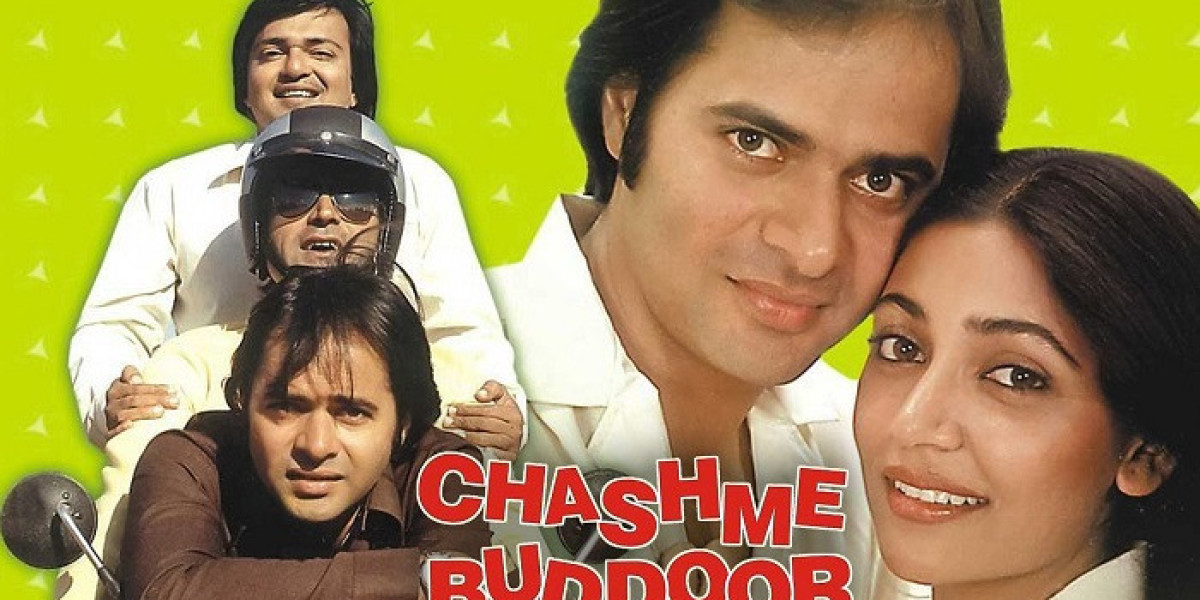
Chashme Buddoor (1981)
Simple characters and sophisticated humor define this film. The wordplay emerges from the trio of friends exaggerating events, each retelling becoming sillier. Slapstick appears in the form of failed romantic attempts, comedic stalking, and visual gestures that add charm without overplaying the absurdity.
8. High-Energy Humor Across Languages
Michael Madana Kama Rajan (1990)
Kamal Haasan’s quadruple performance allows for four distinct comedic styles: refined linguistic wit, rustic slang, urban sophistication, and chaotic slapstick. The screenplay uses mistaken identity to generate intricate dialogue patterns while the physical humor peaks during the climactic mansion sequence involving collapsing floors and synchronized confusion.
9. Cheeky Dialogue Meets Innocent Mayhem
Munna Bhai M.B.B.S. (2003)
Munna and Circuit's streetwise banter forms the core of the film’s linguistic comedy. Their mix of Bombay slang and heartfelt phrasing gives everyday lines unexpected humor. The slapstick moments—misdiagnosed patients, chaotic hospital pranks, and Circuit’s exaggerated entrances—heighten the tone while keeping emotions intact.
10. A Riot of Regional Wordplay
Pushpaka Vimana (1987)
A dialogue-free Indian comedy, the film relies purely on physical humor and visual timing. Unlike others on this list, its “wordplay” is metaphorical—using gestures instead of language to create punchlines. Slapstick reigns supreme, from mistaken kidnappings to exaggerated emotional expressions.
11. Romantic Banter Fueled by Frequent Misunderstandings
Jab We Met (2007)
Kareena Kapoor’s talkative Geet engages in witty repartee, often twisting language to comedic effect. The slapstick springs from impulsive decisions and accidental mishaps, such as chaotic train chases and haphazard travel plans. While known as a romantic film, its comedic backbone is one reason it has remained iconic.
12. Satire Through Spoken Rhythm
Welcome (2007)
The gangsters attempting respectability presents endless opportunities for wordplay. Dialogues depend on rhythmic timing, where pauses and repeated phrases become jokes themselves. The slapstick reaches operatic levels during the fire, falls, and frantic ending atop collapsing architecture.
13. Contemporary Wit with Nostalgic Slapstick
Fukrey (2013)
The humor revolves around slang and clever exaggeration, particularly in scenes involving predictions of the future. The physical comedy appears in failed get-rich-quick schemes, wild chase segments, and misadventures that escalate from mildly troublesome to catastrophic.
14. Erratic Energy Anchored by Clever Dialogue
Dhamaal (2007)
A treasure hunt turned chaotic gives room for comedic timing in every line. Each character speaks with exaggerated seriousness, creating irony through mismatched tones. The slapstick dominates, with crashes, falls, and cartoonish stunts that pay homage to classic physical comedy traditions.
15. Sharp Linguistic Humor in Family Settings
Bawarchi (1972)
Rajesh Khanna’s overly articulate cook injects warmth through philosophical humor. His monologues use poetic sentence structures that turn simple truths into witty commentary. Slapstick is subtle here—more about situational irony and expressive gestures than physical collisions.
16. Wordplay as Rebellion Against Authority
3 Idiots (2009)
The wordplay thrives on puns, classroom jargon, and philosophical one-liners that challenge conventional thinking. Slapstick exists in pranks, classroom chaos, and exaggerated reactions during emotional outbursts, creating a balance between silliness and intellectual humor.
17. Modern Banter and Visual Chaos
Tanu Weds Manu Returns (2015)
Kangana Ranaut’s dual performance creates contrasting speech styles—one sharp and mischievous, the other blunt and athletic. This contrast allows for witty exchanges filled with double meanings. Slapstick arises from wedding mishaps, sports sequences, and overactive supporting characters.
18. Rural Wordplay with Urban Punchlines
Bhool Bhulaiyaa (2007)
A mix of psychological mystery and humor, the film uses dialogue to undercut tense moments. The linguistic comedy often emerges unexpectedly in conversations about superstition and modernity. Slapstick peaks during scenes involving panic, illusions, and frantic chases inside the haveli.
19. Unexpected Wit in Action-Comedy Packaging
Dhol (2007)
The four protagonists’ banter relies on rhythmic punchlines and exaggerated accusations. The slapstick is central, with accidents involving mistaken identities, failed romance attempts, and chaotic escapes contributing to escalating absurdity.
20. Regional Comedy with Universal Timing
Naduvula Konjam Pakkatha Kaanom (2012)
A Tamil comedy built on memory loss, this film uses repeated lines as comedic weapons. The humor emerges from characters stubbornly repeating the same dialogue in increasingly desperate contexts. Slapstick is subtle, focusing on physical awkwardness rather than big stunts.
Conclusion: A Cinematic Spectrum of Laughter
India Comedy Movies span languages, eras, and themes, but the finest examples share a commitment to clever dialogue and heartwarming chaos. Whether through sharp linguistic exchanges or classic slapstick, these twenty films reflect the creative diversity of Indian humor and the enduring power of laughter on screen.