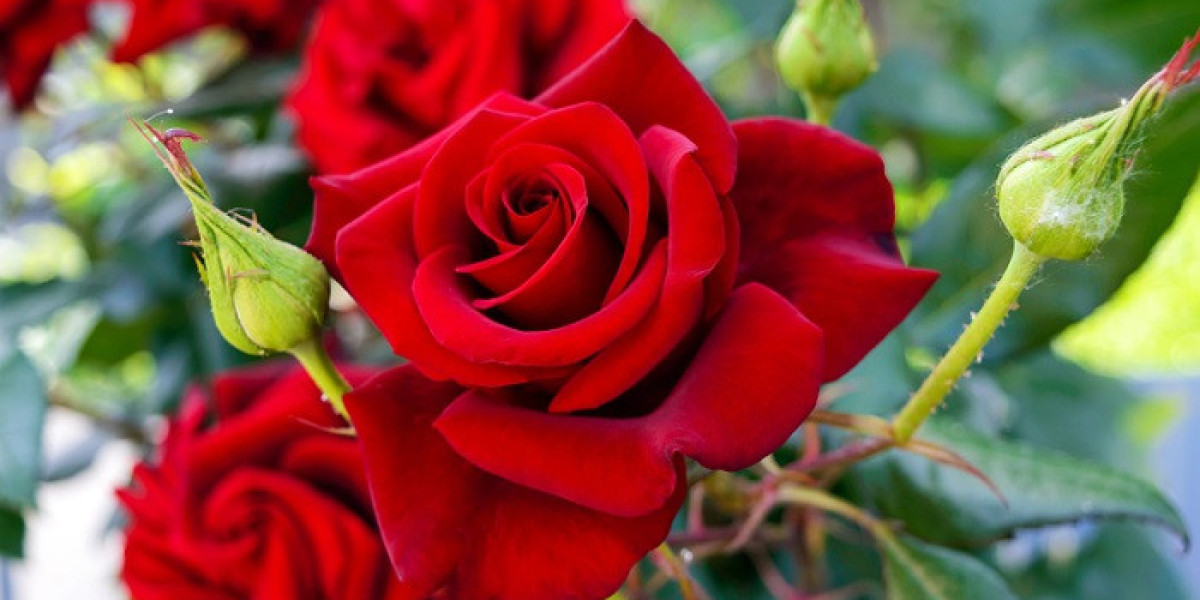

Rose Symbolism has fascinated humanity for centuries, weaving itself into mythology, religion, literature, and ritual practices across cultures. The rose is more than a beloved flower; it is a vessel for layered spiritual meanings that continue to evolve. From its soft petals to its protective thorns, the rose embodies a union of opposites—fragility and strength, sensuality and purity, beauty and suffering. This duality makes the rose an especially meaningful symbol for understanding the complexity of the human spiritual journey.
Across civilizations, the rose has come to represent the blossoming of the heart, the unfolding of wisdom, and the sacred nature of emotional depth. Whether appearing in ancient Greco-Roman myths, Middle Eastern poetry, Christian mysticism, or modern spiritual practices, the rose offers profound insights into love, devotion, and the mystery of the soul. Its fragrance and form have inspired seekers to contemplate both the ecstasy and the challenges inherent in spiritual growth. Rose Symbolism thus acts as a guide, inviting people to explore the deeper layers of their inner world while embracing the beauty—and the vulnerability—of being human.
Roses in Ancient and Mythological Traditions
The Rose in Greek and Roman Mythology
The origins of Rose Symbolism in Western traditions can be traced to ancient Greece and Rome, where the flower was closely tied to the divine. In Greek myth, the rose was born from the tears of Aphrodite as she mourned her lover Adonis. This connection established the rose as a symbol of passionate love, grief, and eternal devotion. The Romans carried this belief forward, associating the rose with Venus, the goddess of love and beauty. Through these stories, the rose became an emblem not only of romance but of the profound emotional cycles that shape human life.
The rose also played a role in more esoteric traditions of the ancient world. It was linked to secrecy and sacred knowledge; the phrase “sub rosa,” or “under the rose,” referred to hidden wisdom shared in confidence. Because roses were often carved or painted into meeting spaces where confidential discussions took place, they came to represent silence, trust, and the protection of sacred truth.
Roses in Middle Eastern and Persian Traditions
In Middle Eastern lore, the rose carries spiritual weight as a symbol of divine love, longing, and mystical union. Persian poets, especially those from the Sufi tradition, used the rose to illustrate the soul’s yearning for the Beloved—the divine presence that transcends physical existence. For these poets, the rose was a reminder that beauty points beyond itself to deeper spiritual truths. Its fragrance hinted at the scent of paradise, while its delicate form suggested the fleeting nature of worldly attachments.
Sufi mystics often portrayed the rose garden as a metaphor for the inner landscape of the heart. In this “garden,” the rose becomes the symbol of spiritual realization, the result of inner cultivation and surrender. Through Rose Symbolism, these traditions emphasized that spiritual insight arises not through force but through allowing the soul to open naturally, much like a rose unfolding its petals at dawn.
The Rose in Religious and Mystical Symbolism
Christian Mysticism and the Sacred Rose
Within Christian tradition, the rose emerges as an important symbol of divine love, purity, and spiritual rebirth. The Virgin Mary is often called the “Mystical Rose,” highlighting her role as a bridge between humanity and the divine. In this context, the rose represents holiness, compassion, and the quiet unfolding of spiritual grace. It is a symbol not only of beauty but of redemptive love that transcends suffering.
The rose also appears in Christian mystical writings, where it is used to describe the soul’s transformation through spiritual trials. Just as a rose grows amid thorns, human beings develop spiritual maturity through challenges that test their character. The rose thus becomes a metaphor for both suffering and the radiant beauty that emerges from it.
The Rose in Esoteric and Alchemical Traditions
In esoteric and alchemical systems, the rose symbolizes the unfolding of spiritual consciousness and the pursuit of inner truth. The Rosicrucian tradition, named after the “rose cross,” uses the rose as a symbol of wisdom emerging from the union of material and spiritual realities. In this context, the rose represents the inner self—or the divine spark—blossoming within the physical world.
Alchemists saw the rose as a metaphor for transformation, especially the process of refining the soul through philosophical work. The rose, with its intricate layers of petals, symbolized the unveiling of deeper truths and the gradual revelation of the divine within mundane experience. Through these associations, Rose Symbolism became a guide for those seeking enlightenment through introspection, purity of intention, and spiritual discipline.
The Inner Journey Reflected in Rose Symbolism
The Blossoming of the Heart
One of the most significant spiritual insights offered by the rose is its connection to the heart. The rose serves as a visual representation of emotional openness, vulnerability, and the capacity to love deeply. Just as a rose opens petal by petal, the human heart unfolds gradually through both joy and sorrow. This unfolding is not forced but arises naturally when one nurtures compassion, forgiveness, and inner peace.
Rose Symbolism encourages individuals to explore their emotional landscape with courage. The rose shows that beauty and vulnerability coexist—one cannot bloom without the other. The opening of the heart brings immense strength, allowing one to connect with others with authenticity and tenderness.
Thorns as Teachers: Protection, Boundaries, and Growth
The rose’s thorns offer another layer of spiritual meaning. They serve as reminders that love and beauty are not without challenges. Thorns symbolize boundaries, self-protection, and the wisdom gained from hardship. They teach that while the heart must open, it must also maintain integrity and discernment.
In spiritual terms, thorns represent the trials that shape character. They help individuals develop resilience and deeper understanding. Without thorns, the rose would be incomplete. Likewise, without challenges, spiritual growth would lack depth and authenticity.
The Rhythm of Blooming and Fading
The rose also teaches about impermanence and renewal. Its bloom is temporary—beautiful yet fleeting. This cycle mirrors the rhythm of life, reminding people that change is inevitable and that each phase carries its own spiritual lessons. The rose’s moment of perfection encourages savoring the present, while its fading petals remind us that letting go is part of the spiritual path.
Modern Relevance of Rose Symbolism
Roses in Contemporary Spiritual Practice
Today, Rose Symbolism continues to guide individuals seeking healing, mindfulness, and emotional balance. Roses are used in meditation, energy work, aromatherapy, and ritual practices. Visualizing a rose opening in the heart center can help cultivate self-love, compassion, and emotional clarity. The scent of roses is associated with calming the mind and elevating the spirit, making it a powerful tool in holistic healing.
The Rose as a Symbol of Authentic Living
In a world full of distractions and emotional complexity, the rose offers a model for living with sincerity and depth. It encourages people to embrace beauty while acknowledging difficulty, to open the heart while honoring boundaries, and to pursue truth even when the path feels challenging. The rose reminds us that spiritual awakening is not separate from everyday life but interwoven with its joys and trials.
Conclusion: The Enduring Spiritual Guidance of the Rose
Rose Symbolism continues to illuminate the human experience, offering insights into love, transformation, resilience, and the unfolding of inner truth. Its delicate petals, intoxicating fragrance, and protective thorns together form a powerful metaphor for the spiritual path—one that embraces complexity while pointing toward beauty and wisdom. Across cultures and eras, the rose stands as a timeless symbol of the soul’s potential to open, flourish, and radiate its deepest essence into the world.