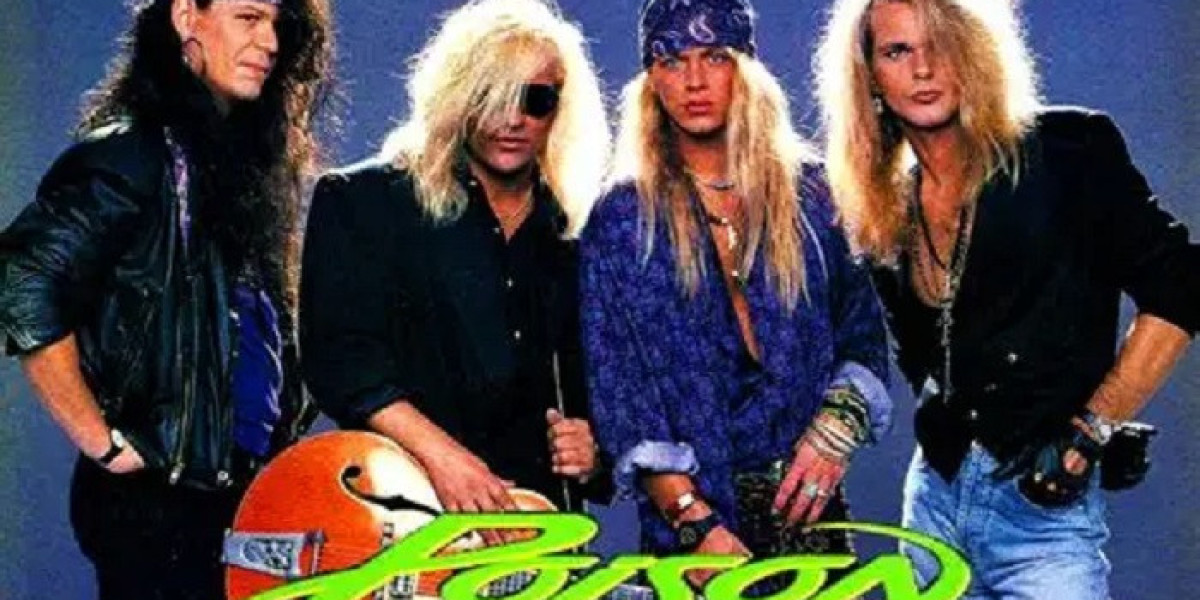

Glam Metal dominated much of the 1980s rock landscape. It filled arenas. It filled television screens. It filled radio playlists. It brought bright colors. It brought big hair. It brought loud guitars. It carried confidence. It carried attitude. It carried a bold celebration of emotion and excess. Two central themes shaped the genre. These themes were romance and partying. Both themes appeared in lyrics. They appeared in performance. They appeared in imagery. They appeared in the overall culture of the movement. This article explores how Glam Metal expressed these themes. It explains how musicians crafted their sound. It explains how artists shaped their identity. It explains how the genre connected to fans through simple yet powerful messages.
The Cultural Context Behind Glam Metal’s Themes
The Rise of Youth Culture and Escapism
Glam Metal grew during a time of economic change and cultural transformation. Many young people wanted escape. They wanted fun. They wanted freedom. They did not want political heaviness. They did not want complex intellectual messages. They wanted energy. They wanted excitement. Glam Metal offered this escape. It used romance to create emotional fantasy. It used partying to create social fantasy. It provided a world where problems faded. It provided a world where pleasure mattered most.
Influence of Glam Rock and Pop Sensibility
Glam Metal borrowed from glam rock. It borrowed from pop hooks. It borrowed from theatrical bands of the 1970s. These influences encouraged bold color. They encouraged flashy performance. They encouraged lighthearted themes. Romance and partying fit this mood. They matched the playful tone. They matched the exaggerated style. They matched the dramatic appearance of the musicians. Glam Metal blended these influences into a sound that celebrated joy and desire.
Romance in Glam Metal Lyrics
Idealized Love and Emotional Fantasy
Many Glam Metal songs presented idealized love. They described love with simple clauses. They described love as beautiful. They described love as powerful. They described love as urgent. These songs portrayed romantic desire as intense. They portrayed it as immediate. They portrayed it as larger than life. The lyrics focused on emotional highs. They focused on longing. They focused on connection. Romance became fantasy. It became escape. It became a symbol of youth.
Heartbreak and Vulnerable Emotion
Not all Glam Metal love songs were happy. Many addressed heartbreak. They addressed loss. They addressed longing for someone who had left. These songs used soft verses. They used soaring choruses. They used emotional guitar solos. They showed vulnerability beneath the glamour. They expressed deep feeling. They expressed heartache that fans understood. This vulnerability balanced the genre. It showed that romance was not only joyful. It was also painful. It carried complexity beneath the glam exterior.
Partying as a Central Theme in Glam Metal
Celebration of Nightlife and Excess
Partying defined the spirit of Glam Metal. Songs celebrated nightlife. They celebrated loud venues. They celebrated neon lights. They celebrated loud music. They used simple clauses to express excitement. They called for dancing. They called for drinking. They called for staying out late. The energy was direct. The message was simple. Life should be fun. Life should be bold. Life should be filled with excitement. Partying became a symbol of freedom.
Rebellion Against Responsibility
Many Glam Metal songs also used partying to reject responsibility. They rejected work routines. They rejected seriousness. They rejected adult expectations. Lyrics explained desire to escape rules. They explained desire to be wild. They explained desire to break limits. This sense of rebellion fueled the partying theme. It made it more than simple fun. It made it part of the identity of the genre. Glam Metal used partying as a declaration. It declared independence from the ordinary.
The Sound of Romance and Partying in Glam Metal
Bright Melodies and Emotional Choruses
Glam Metal used bright melodies to express romance. It used soaring vocals. It used harmonized choruses. These musical choices created emotional impact. They created dramatic tension. They created romantic atmosphere. The listener felt the intensity. The listener felt the passion. Romance became large. It became vivid. It became theatrical.
Driving Rhythms and Energetic Guitar Riffs
Partying required energy. Glam Metal delivered that energy. It used driving drum patterns. It used punchy bass lines. It used energetic guitar riffs. These musical elements created movement. They created excitement. They created adrenaline. The listener felt the energy of a crowded venue. They felt the spirit of a weekend night. The music itself became a party.
Glam Metal Performance Style and Its Themes
Romance Through Visual Drama
Romance in Glam Metal extended into performance. Artists wore leather. They wore bright colors. They wore eyeliner. They shaped an image that suggested intensity and desire. Their performances featured emotional gestures. They reached toward the audience. They showed expressive face movements. They created theatrical scenes of longing. Romance became visual as well as musical.
Partying Through Stage Energy
Glam Metal performances expressed partying through high-energy movement. Musicians ran across the stage. They jumped from platforms. They interacted with the crowd. They encouraged shouting. They encouraged dancing. They encouraged excitement. The stage became a party space. The audience felt included. The musicians felt connected. The theme of partying came alive in real time.
The Cultural Identity Built Around These Themes
Fan Communities and Shared Fantasy
Fans embraced the romantic and partying themes. They dressed like the bands. They styled their hair. They sang along. They attended concerts in large groups. They shared experiences. Glam Metal became community. Romance became shared fantasy. Partying became shared ritual. The genre united fans through simple emotional language. It united them through celebration.
Media Images and Cultural Reinforcement
Music videos strengthened the themes. They showed romantic storytelling. They showed dramatic lighting. They showed glamorous scenes. They also showed wild parties. They showed nightlife. They showed fantasy scenarios of fame. These visuals reinforced the themes. They made them stronger. They made them iconic. They made Glam Metal unforgettable.
The Duality Within Romance and Partying
Emotional Depth Beneath Surface Glitter
Romance in Glam Metal often seemed simple. It seemed bright. It seemed exaggerated. Yet it carried depth. The vulnerability in ballads revealed real emotion. The longing in lyrics revealed personal stories. The heartbreak revealed human truth. Beneath glamour, there was sincerity.
Escapism With Hidden Consequences
Partying also carried duality. It appeared carefree. It appeared fun. It appeared harmless. Yet some songs hinted at consequences. They hinted at burnout. They hinted at loneliness. They hinted at confusion. The wild energy hid emotional stress. It revealed the complex truth behind the glamorous mask.
Conclusion
Glam Metal addressed romance and partying through sound, style, and culture. It used emotional lyrics to explore desire. It used powerful ballads to express heartbreak. It used bright melodies to portray romantic fantasy. It used driving rhythms to celebrate nightlife. It used theatrical performance to amplify emotion. It created a world of escape. It created a world of excitement. It created a world of fantasy. Romance and partying defined the genre. They shaped its identity. They shaped its culture. They shaped its legacy. Glam Metal remains memorable because it combined emotion with spectacle. It turned romantic longing into powerful anthems. It turned partying spirit into an entire lifestyle. It captured a generation that wanted freedom, fantasy, and fun.