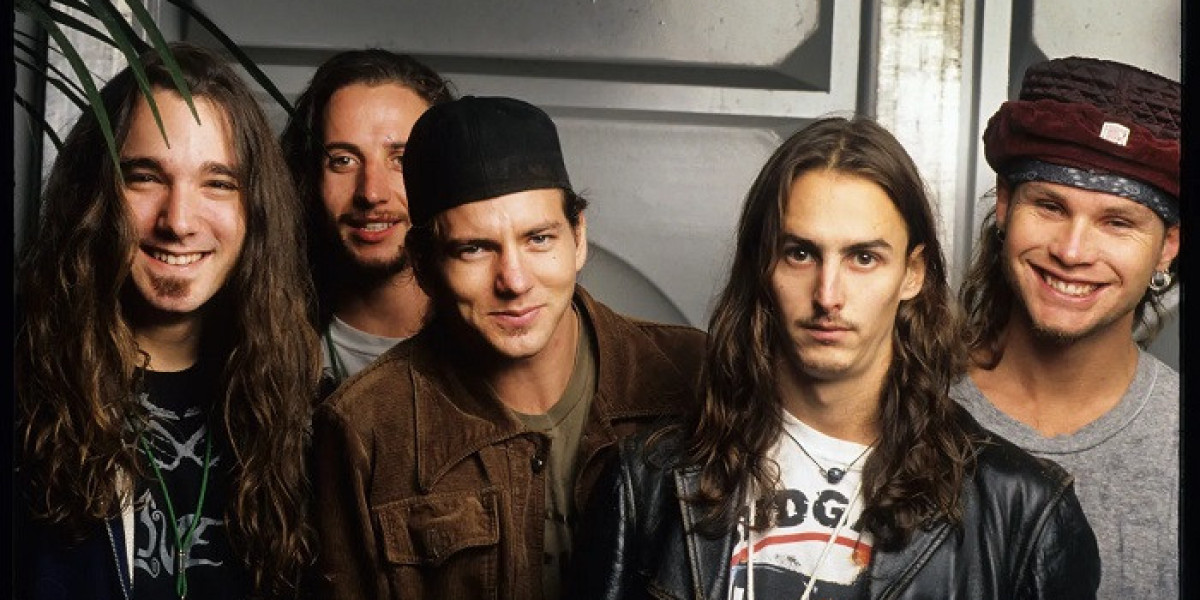

Grunge emerged in the late 1980s and early 1990s. It grew from underground scenes. It grew from independent labels. It grew from small venues. It grew from youth frustration. The sound was raw. The tone was heavy. The emotions were blunt. Alienation shaped its message. Alienation shaped its culture. Alienation shaped its musical language. This essay explores how grunge addresses themes of alienation. It examines lyrics. It examines sound. It examines performance. It examines social context. It explains how grunge became a voice for the disconnected.
The Cultural Roots of Alienation in Grunge
Social Pressure and Disillusionment
Grunge developed during a time of social pressure. Many young people felt lost. They felt disconnected from institutions. They felt distrust toward political systems. They felt uncertainty about the future. Grunge artists expressed this mood. They used simple clauses. They used plain language. They used direct emotion. Their songs revealed disillusionment. Their songs revealed hopelessness. Their songs revealed spiritual unease. Alienation became a central theme because it reflected the inner world of the generation.
Rebellion Against Mainstream Identity
Grunge artists rejected mainstream expectations. They rejected polished pop music. They rejected glamorous fashion. They rejected commercial stereotypes. They expressed alienation through rebellion. They used disheveled clothes. They used messy hair. They used unfiltered lyrics. They used heavy distortion. This rebellion created contrast. It exposed the feeling of not belonging. It made alienation visible. It made alienation audible.
The Lyrical Expression of Alienation
Themes of Isolation
Many grunge songs describe isolation. They describe emotional distance. They describe internal struggle. They describe desire to withdraw. Artists write about feeling alone in crowds. They write about hiding. They write about walls around the self. These themes appear in simple clauses. They appear in repetitive phrases. They appear in raw confessions. The lyrics become personal journals. They reveal deep loneliness. They transform private pain into shared music.
Themes of Negative Self-Reflection
Grunge lyrics often reveal self-doubt. They reveal guilt. They reveal shame. They reveal low self-worth. They show characters who question their purpose. They show characters who struggle to accept themselves. This negative self-reflection creates the sense of alienation. The speaker feels distant from others. The speaker feels distant from the world. The speaker feels distant from inner peace. Grunge uses these emotions to paint honest portraits of mental conflict.
The Vocal Style as a Tool of Alienation
Rough and Unpolished Delivery
Grunge vocalists use rough voices. They use cracks. They use screams. They use whispers. These vocal textures convey alienation. They feel human. They feel imperfect. They feel distressed. The voices carry emotional weight. They communicate frustration. They communicate detachment. They communicate confusion. The unpolished sound contrasts with the controlled world outside. It becomes a natural expression of internal chaos.
Soft Verses and Explosive Choruses
Grunge often shifts between quiet verses and explosive choruses. The verses feel intimate. They feel fragile. They feel isolated. The choruses feel angry. They feel loud. They feel overwhelming. This structure mirrors emotional alienation. The listener hears the calm before the storm. The listener hears the internal tension. The listener hears how isolation can erupt into frustration. The dynamic style becomes a symbol of unstable emotion.
The Instrumental Language of Alienation
Use of Distorted Guitars
Distortion defines the grunge sound. It creates chaos. It creates noise. It creates heaviness. It creates texture. Distortion expresses emotional pressure. It expresses internal noise. It expresses mental conflict. The guitars feel abrasive. They feel conflicted. They feel distant. This sonic grit reinforces the theme of alienation. It gives the listener the sense of pushing against the world.
Slow Tempos and Repetitive Riffs
Many grunge songs use slow tempos. They use repetitive riffs. They use minimal chord progressions. These choices create mood. They create heaviness. They create emotional stasis. They mirror the feeling of being stuck. They mirror the feeling of being numb. They mirror the feeling of living in a fog. Alienation becomes a sonic landscape. The sound feels trapped. The rhythm feels restrained. The music moves but does not escape.
Alienation Through Performance Style
Detached Stage Presence
Grunge musicians often performed with minimal theatrics. They avoided flashy movements. They avoided dramatic poses. They avoided artificial smiles. Their stage presence reflected detachment. It reflected discomfort. It reflected emotional distance. They sometimes stared at the floor. They sometimes turned their backs. They sometimes moved erratically. This performance style communicated alienation physically. It turned internal themes into external behavior.
Raw Emotional Transparency
Despite the detachment, grunge performances were emotionally raw. Artists screamed. They mumbled. They trembled. They broke strings. They collapsed into noise. They revealed vulnerability. They revealed exhaustion. They revealed internal struggle. This emotional openness connected to alienation. It showed pain without filters. It allowed listeners to see inside the artist’s world. It made alienation shared rather than hidden.
Alienation in the Relationship Between Grunge and Its Audience
Voice for the Disconnected Youth
Grunge connected with youth who felt ignored. They felt misunderstood. They felt pressured. They felt alienated. Grunge spoke their language. It used simple clauses. It expressed real emotion. It avoided pretension. The music gave them validation. It gave them identity. It gave them a voice. Alienation was no longer silent. It became art. It became community.
A Community Built on Feeling Out of Place
Ironically, grunge formed a community around feeling disconnected. Fans gathered. They shared music. They shared clothing. They shared ideas. Their bond formed through shared alienation. This created a paradox. People who felt alone found others who felt the same. Grunge helped them understand that alienation can unite people. It turned isolation into collective culture.
The Philosophical Meaning of Alienation in Grunge
Existential Struggle and Inner Conflict
Grunge often reflects existential themes. It reflects confusion about meaning. It reflects frustration with identity. It reflects conflict between self and society. These themes express deep alienation. They show the human struggle to find purpose. They show the pain of not understanding one’s place. The lyrics and sound combine to form philosophical questions disguised as music.
Rejection of Artificial Social Norms
Grunge rejects artificial norms. It rejects perfection. It rejects plastic culture. It rejects forced positivity. This rejection strengthens alienation. It shows friction between the individual and society. It shows the desire to be real. It shows the desire to break from expectations. Grunge uses alienation as a critique. It exposes the emptiness of social masks.
Conclusion
Grunge addresses alienation through every part of its identity. It uses lyrics to reveal isolation. It uses vocals to express emotional strain. It uses distorted guitars to create tension. It uses slow tempos to reflect numbness. It uses stage presence to demonstrate detachment. It uses culture to give voice to the disconnected. Alienation shapes the genre. It shapes the sound. It shapes the message. It becomes the center of the emotional world grunge creates. The music remains powerful because alienation is real. It is common. It is human. Grunge makes this feeling visible. It turns alienation into sound, into expression, and into connection.