
Security technology is advancing rapidly, and choosing the right surveillance system has become more important than ever. As we move into 2025, homeowners and businesses are looking for smarter, more efficient, and future ready security solutions. Two of the most common recording systems are NVR and DVR. While both help you monitor and record video footage, they operate very differently and offer unique advantages. In this blog, we will compare NVR and DVR systems and help you decide which one is the better choice for 2025.
Understanding DVR Systems
A DVR or Digital Video Recorder is a system that works with analog cameras. These cameras send raw video signals through coaxial cables to the DVR. The DVR then processes and compresses the video before storing it. DVR systems have been around for many years and are known for their stable performance and low upfront cost. They are widely used in small businesses and budget friendly home setups.
Understanding NVR Systems
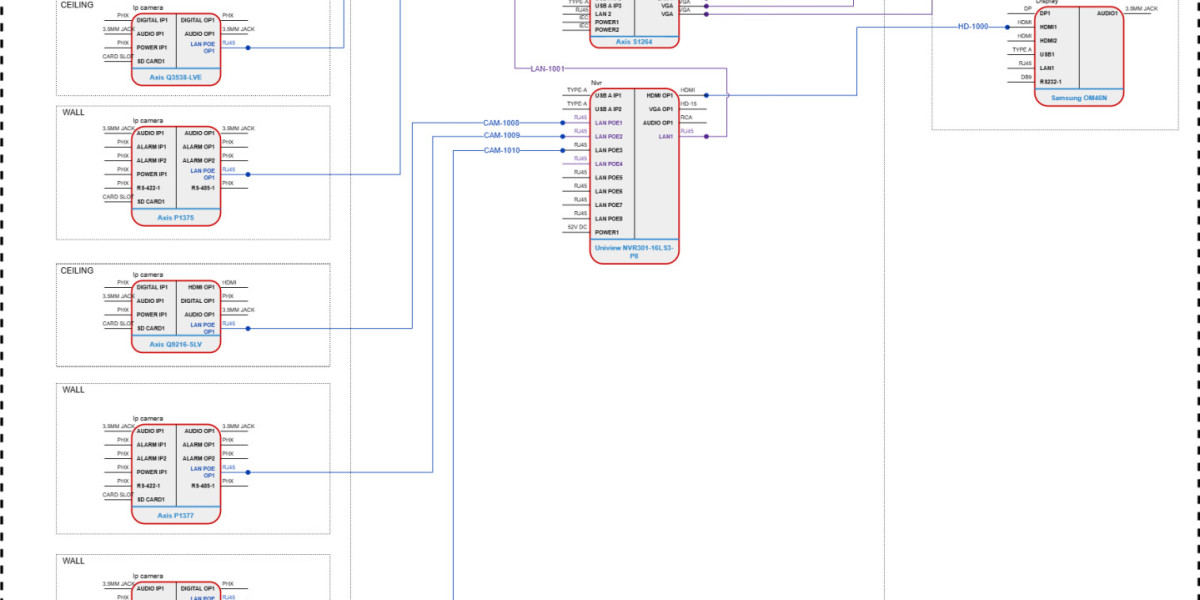
An NVR or Network Video Recorder works with IP cameras that send video digitally over a network. Unlike DVR systems, the video is processed at the camera level before being sent to the NVR. This results in higher image quality and smoother performance. NVR systems use ethernet cables or WiFi, making them more flexible and suitable for modern smart home environments. They provide advanced features and support for high resolution recording.
Video Quality Comparison
One of the biggest differences between NVR and DVR systems is video quality. DVR systems generally support lower resolutions because analog cameras have limited capabilities. The footage may appear less clear, especially when zooming in. NVR systems, on the other hand, support HD, Full HD, 4K, and even higher resolutions. Because IP cameras process the video digitally, the footage is sharper, more detailed, and more suitable for identifying faces, license plates, and small objects. For anyone prioritizing clarity, NVR is the clear winner.
Installation and Wiring Differences
DVR systems require coaxial cables for every camera, which means more drilling, more wires, and limited flexibility. If you want to install multiple cameras, cable management can become difficult. NVR systems use ethernet cables that provide both power and data through a single cable when using PoE technology. This simplifies installation and reduces clutter. Wireless NVR systems go even further by removing wired connections entirely. For modern homes and businesses aiming for a clean and easy setup, NVR systems are far more convenient.
Cost Comparison
When it comes to cost, DVR systems usually have a lower upfront price. Analog cameras are cheaper, and the DVR itself is more affordable. However, as technology advances, IP cameras and NVR systems are becoming more budget friendly. While NVR systems may still cost a bit more, the long term value is greater due to better performance, scalability, and modern features. In 2025, the price gap between DVR and NVR systems continues to shrink, making NVR systems a more appealing investment.
Scalability and Future Proofing
DVR systems have limited scalability. Adding more cameras may require upgrading your entire system. Analog technology is also slowly being phased out as digital systems take over. NVR systems, however, are designed with scalability in mind. You can add more cameras easily, integrate smart home features, and take advantage of future software upgrades. As the world moves toward AI powered surveillance and smart automation, NVR systems are better suited for the future.
Smart Features and Integration
Modern security needs go beyond just recording video. Users want smart alerts, motion detection, remote access, cloud storage, and AI capabilities. DVR systems offer basic features but may not support advanced functions such as facial recognition or smart analytics. NVR systems integrate smoothly with mobile apps, smart home platforms, and cloud services. They also support intelligent video analytics that can distinguish between humans, animals, and vehicles. If you want a smart and connected security setup in 2025, NVR is the superior choice.
Security and Reliability
Both DVR and NVR systems are reliable, but NVR systems have an edge due to encrypted digital transmission. DVR systems use analog signals that may be more vulnerable to interference. IP cameras in NVR systems also allow password protection, secure network access, and regular firmware updates. These features make NVR systems more secure and adaptable to modern cyber threats.
Which One Should You Choose in 2025
Your decision depends on your budget, security needs, and long term plans. If you want a basic and affordable system, DVR may still be a good option. However, if you want high quality video, easy installation, smart features, scalability, and a system that will stay relevant for years, NVR is the better choice. As technology continues to advance, NVR systems stand out as the most practical and future ready choice for homeowners and businesses in 2025.
Conclusion
Choosing between NVR and DVR depends on what you expect from your security system. While DVR systems are simple and budget friendly, they lack the advanced capabilities needed for modern surveillance. NVR systems offer better quality, flexibility, and smart integration, making them the preferred choice for 2025. Investing in an NVR system ensures you get a more powerful, efficient, and future proof security solution that will protect your home or business with greater accuracy and convenience.