
In today’s fast-paced digital world, software development methodologies must adapt quickly to ever-changing user requirements. Agile methodology has emerged as one of the most effective approaches to delivering high-quality software rapidly and iteratively. Within this methodology agile performance testing, performance testing holds a crucial role in ensuring that the application not only functions correctly but also performs efficiently under varying levels of user load. Agile performance testing is the process of integrating performance evaluation throughout the Agile development lifecycle to detect and resolve bottlenecks early, thereby avoiding delays and reducing technical debt.
Understanding the Need for Performance Testing in Agile
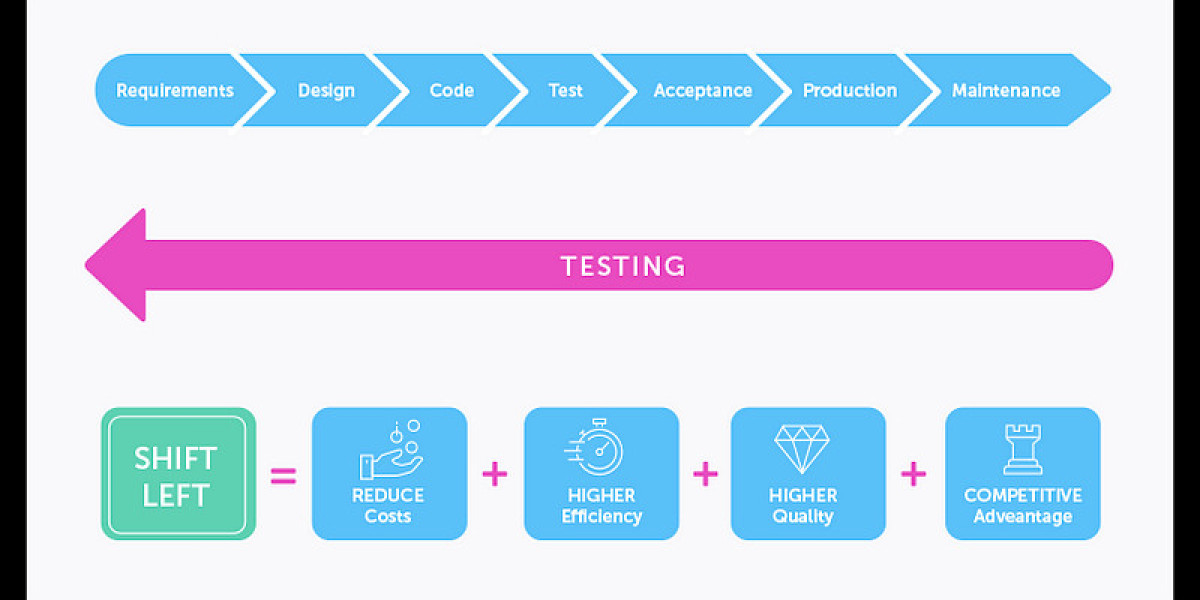
Traditional performance testing is often a phase conducted after the completion of development. However, this approach can lead to performance issues being detected too late, increasing the cost and effort required for fixes. In contrast, Agile performance testing aims to identify performance-related concerns early and continuously throughout the development process. Since Agile encourages frequent releases, performance testing must keep up with the short development cycles, ensuring every increment meets the required standards before moving to the next iteration. The focus is not only on functionality but also on system behavior under stress, responsiveness, scalability, and stability.
Incorporating Performance Testing into Agile Sprints
In Agile, development is carried out in time-boxed iterations called sprints. For performance testing to be effective in such a setup, it must be seamlessly integrated into each sprint. This means performance goals should be defined during the sprint planning phase, and appropriate tests should be designed and executed during the same sprint. Test scripts can be created alongside unit tests, and developers and testers must collaborate closely to analyze performance results. By embedding performance testing into the sprint cycle, teams can catch issues in real-time and avoid the common scenario of discovering major performance problems just before release.
Role of Automation in Agile Performance Testing
Given the short time frames of Agile sprints, automation plays a critical role in performance testing. Automated performance tests can be run frequently, such as during nightly builds or continuous integration pipelines, allowing teams to receive immediate feedback on how recent changes impact performance. Tools like JMeter, Gatling, and LoadRunner are often used to automate load and stress tests. Automation helps in maintaining test consistency, increasing test coverage, and significantly reducing manual effort. It also ensures that performance testing can keep pace with rapid development without becoming a bottleneck.
Challenges Faced in Agile Performance Testing
Despite its advantages, Agile performance testing is not without its challenges. One major issue is the lack of dedicated time for thorough performance evaluations within short sprint cycles. Performance testing typically requires a stable environment and significant system resources, which might not always be available during early development stages. Furthermore, there may be difficulties in simulating realistic load conditions in test environments, leading to inaccurate results. Team members must also be adequately trained to understand and implement performance testing techniques, which can be a hurdle in teams new to Agile or performance testing practices.
Best Practices to Ensure Effective Agile Performance Testing
To overcome the common challenges, Agile teams must adopt certain best practices. Performance requirements should be clearly defined at the beginning of the project and considered as part of the acceptance criteria for each user story. Continuous performance monitoring tools can be implemented to gather real-time data from test environments or even production, allowing teams to detect regressions quickly. Cross-functional collaboration is essential, where developers, testers, and operations teams work together to plan, execute, and analyze performance tests. Regular performance reviews and retrospectives can help refine the process and ensure consistent improvements.
The Evolving Role of DevOps in Agile Performance Testing
As organizations increasingly adopt DevOps alongside Agile, the scope of performance testing expands further. DevOps emphasizes automation, continuous delivery, and monitoring, which perfectly complements Agile performance testing practices. In a DevOps culture, performance testing becomes a shared responsibility across the development lifecycle. Continuous performance testing is integrated into the CI/CD pipeline, and metrics are collected and analyzed throughout deployment stages. This helps in identifying and resolving issues proactively, thus ensuring that performance remains a priority at every step.
Conclusion: Agile Performance Testing as a Continuous Process
Agile performance testing is no longer a luxury but a necessity for delivering high-quality software in today’s competitive market. By embedding performance testing within Agile sprints, leveraging automation, and aligning with agile performance testing DevOps practices, teams can ensure that their applications are both functional and high-performing. Although challenges exist, a well-structured approach supported by collaboration and continuous improvement can make performance testing an integral part of Agile success.
Discover More At :-
Follow Us On Linkedin :- https://www.linkedin.com/company/optimworks-ior
Follow Us On Facebook :- https://www.facebook.com/optimworksior
Follow Us On Twitter :- https://twitter.com/OptimWorks
Address :- 1st Floor, Jain Sadguru Image's Capital Park, Unit-106B, Madhapur, Hyderabad, Telangana 500081
Email Us :- info@optimworks.com | sales@optimworks.com