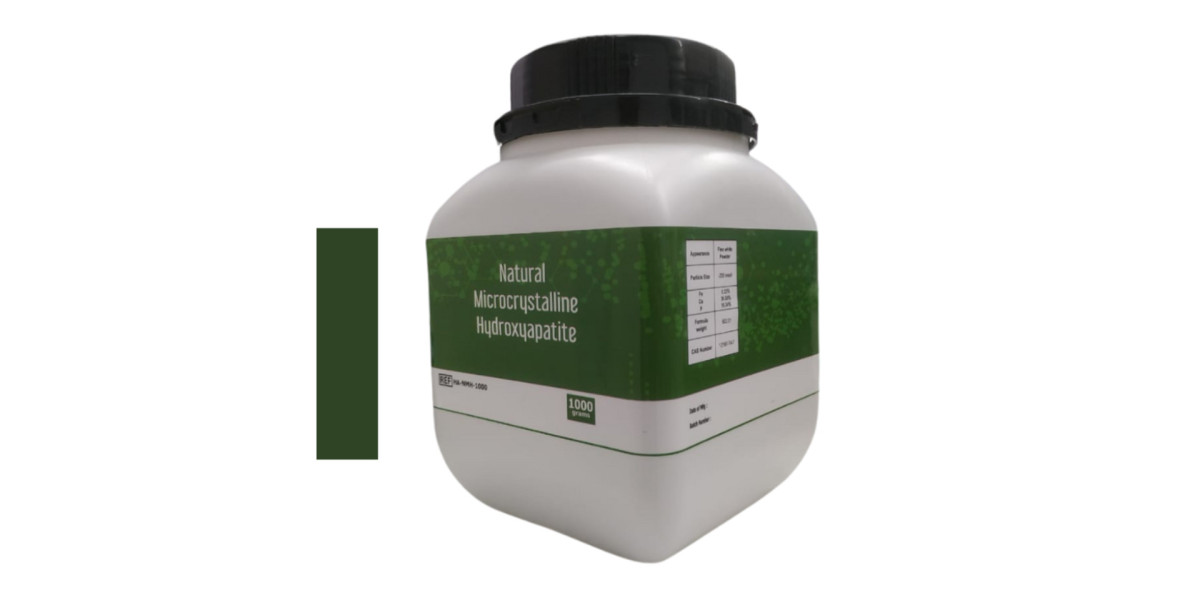

Introduction to Microcrystalline Hydroxyapatite
Microcrystalline hydroxyapatite (MCHC) has gained massive attention in the health and wellness industry for its natural bone-supporting properties. This form of calcium is derived from animal bones and is considered more bioavailable than traditional calcium carbonate or citrate. Unlike other forms, it comes with naturally occurring proteins, collagen, and trace minerals, making it a holistic option for bone and dental health.
What is Microcrystalline Hydroxyapatite (MCHC)?
MCHC is a naturally occurring form of calcium phosphate, which closely resembles the mineral composition of human bones and teeth. It provides not just calcium but also phosphorus, magnesium, and essential bone matrix proteins. This unique combination makes it more effective in supporting skeletal integrity and dental strength compared to isolated calcium supplements.
Historical Background and Discovery
The use of bone-derived supplements isn’t new. Ancient cultures often consumed ground animal bones for strength and vitality. However, scientific research into MCHC began in the mid-20th century, when scientists discovered that bone powders contained the exact mineral ratio needed for skeletal health. Since then, microcrystalline hydroxyapatite has been widely used in Europe and is gaining popularity worldwide.
Chemical Composition and Structure
Hydroxyapatite has the chemical formula Ca₁₀(PO₄)₆(OH)₂, and its crystalline structure mimics the natural bone matrix. MCHC is micro-sized, which means it’s more easily absorbed by the body. Apart from calcium and phosphorus, it also carries collagen and bone-growth factors, which enhance bone density and repair.
Sources of Microcrystalline Hydroxyapatite
Microcrystalline Hydroxyapatite is primarily sourced from bovine (cow) bones. Ethical companies ensure the bones are derived from grass-fed, pasture-raised cattle. Some newer research is exploring marine sources (like fish bones) for sustainability.
How Microcrystalline Hydroxyapatite Works in the Body
MCHC provides the exact building blocks for bones and teeth. The body recognizes its structure, absorbs it efficiently, and uses it to rebuild weakened areas. Unlike synthetic calcium salts, which sometimes deposit in soft tissues, MCHC integrates naturally into the skeletal framework.
Microcrystalline Hydroxyapatite vs. Calcium Carbonate
| Feature | Microcrystalline Hydroxyapatite | Calcium Carbonate |
|---|---|---|
| Absorption | High, bone-like structure | Moderate |
| Nutrients | Calcium, phosphorus, collagen, proteins | Calcium only |
| Tolerability | Gentle on stomach | May cause gas/bloating |
| Bone Health | Strong support, mimics natural bone | Limited to calcium supply |
Benefits of Microcrystalline Hydroxyapatite
Bone Health
MCHC supports bone density, making it effective for individuals with osteopenia or those at risk of osteoporosis.
Dental Health
Dentists recommend MCHC for remineralization of teeth. It strengthens enamel and may help reverse early tooth decay.
Joint Support
Its collagen content contributes to joint lubrication and cartilage repair.
Osteoporosis Prevention
Research indicates MCHC supplements reduce fracture risk and improve long-term bone strength compared to standard calcium.
Microcrystalline Hydroxyapatite in Supplements
You’ll often find MCHC in capsule or powder form. Premium bone-support formulas combine it with vitamin D3, magnesium, and vitamin K2 for maximum absorption.
Recommended Dosage and Safety Guidelines
Typical dosage: 500–1000 mg daily
Best with meals: Enhances absorption
With cofactors: Vitamin D and K2 improve utilization
Always consult a healthcare professional before supplementation.
Side Effects and Precautions
MCHC is generally safe. However, excessive intake may cause calcium imbalance. Individuals with kidney disorders should avoid high doses.
Who Should Use Microcrystalline Hydroxyapatite?
Postmenopausal women
Individuals with bone loss
Athletes with high joint strain
People with dental enamel erosion
Clinical Studies and Research Evidence
Clinical trials show that MCHC improves bone density more effectively than calcium carbonate. Studies also highlight its positive effect on oral health, with tooth remineralization benefits.
For reference: PubMed study on hydroxyapatite in dentistry.
Microcrystalline Hydroxyapatite in Dentistry
Used in toothpastes and dental treatments, MCHC strengthens enamel and reduces sensitivity. It’s a natural alternative to fluoride in some oral care products.
Food and Nutritional Applications
Researchers are exploring its use as a food fortification ingredient in dairy and beverages to enhance calcium intake naturally.
MCHC in Pharmaceutical and Medical Use
Beyond supplements, MCHC is used in bone grafts and coatings for dental implants due to its compatibility with human tissue.
Buying Guide: How to Choose Quality Microcrystalline Hydroxyapatite
Look for grass-fed, pasture-raised bovine sources
Ensure third-party purity testing
Prefer brands with added vitamin D3 and K2
Avoid products with unnecessary fillers
Environmental and Ethical Considerations
Consumers should choose ethically sourced MCHC to support animal welfare and sustainability. Marine-sourced hydroxyapatite is an emerging eco-friendly alternative.
Future Trends and Innovations
Marine hydroxyapatite research
Nano-hydroxyapatite for faster absorption
Use in regenerative medicine and advanced dentistry
FAQs about Microcrystalline Hydroxyapatite
Q1: Is microcrystalline hydroxyapatite better than calcium carbonate?
Yes, it offers superior absorption and includes bone-supporting proteins and minerals.
Q2: Can MCHC replace fluoride in toothpaste?
Some studies suggest it can remineralize teeth naturally, offering an alternative.
Q3: Is it safe for children?
In small doses, yes. Always consult a pediatrician before use.
Q4: Can vegetarians take MCHC?
No, since it’s animal-derived. However, marine sources may be an option in the future.
Q5: Does MCHC help with arthritis?
Its collagen content may support joint health, but it’s not a standalone treatment.
Q6: How long does it take to see results?
Bone health improvements may take 3–6 months of consistent use.
Conclusion
Microcrystalline hydroxyapatite is one of the most effective and natural ways to support bones, teeth, and joints. Unlike conventional calcium supplements, it offers a complete mineral matrix that the body recognizes and uses efficiently. With growing clinical evidence and applications in both supplements and dentistry, MCHC is set to play a major role in future bone and dental health solutions.