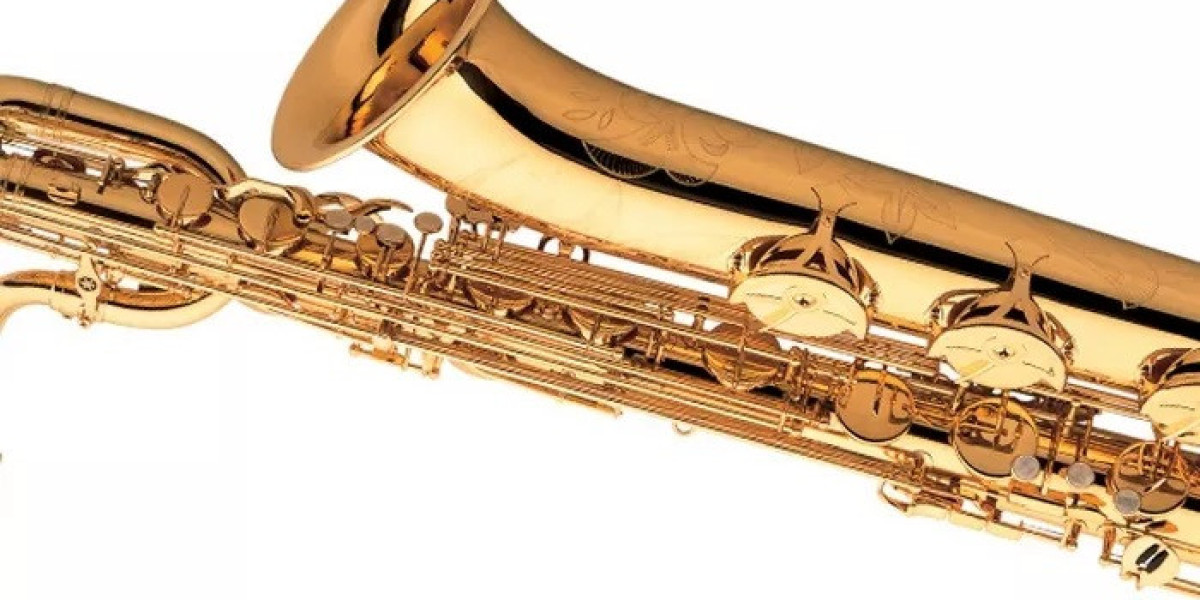

The baritone saxophone is one of the largest and deepest-sounding members of the saxophone family. Known for its rich, warm tones and powerful range, it holds a unique place in jazz, classical, and contemporary music. But is the baritone saxophone good for beginners? This article dives deep into the characteristics of the instrument, its learning curve, and factors that influence whether it’s a suitable choice for those starting their musical journey.
Understanding the Baritone Saxophone
The baritone saxophone is pitched in E♭ and sounds an octave plus a major sixth lower than written. It typically weighs between 13 to 15 pounds, making it the heaviest among the common saxophones. Its large size requires a player to develop proper posture and breath control to master its sound.
Unlike the soprano, alto, or tenor saxophones, the baritone’s larger body and bigger mouthpiece demand more air and physical stamina. The tonal range spans about two and a half octaves, producing a deep and resonant sound beloved in many music genres.
Is the Baritone Saxophone Suitable for Beginners?
Choosing the right instrument as a beginner depends on multiple factors such as physical ability, musical goals, budget, and available resources. The baritone saxophone can be a good choice for beginners, but it comes with distinct challenges that need to be considered.
Physical Considerations
One of the biggest hurdles for beginner players is the size and weight of the baritone saxophone. It is significantly larger and heavier than the alto or tenor saxophone. This means that younger players or those with smaller physiques may find it cumbersome to hold and manage, especially for extended practice sessions.
Strong posture, core strength, and proper support are essential. Beginners might benefit from using a sturdy neck strap or harness designed specifically for larger saxophones to help distribute the weight evenly and avoid fatigue.
Breath Control and Air Support
The baritone saxophone requires more air volume and better breath control than smaller saxophones. Beginners who are new to wind instruments might initially struggle with sustaining long notes or managing the airflow needed to produce a full, rich tone.
Developing lung capacity and efficient breathing techniques is a crucial part of learning the baritone saxophone. However, this challenge can be rewarding as it builds strong fundamental skills that benefit playing any wind instrument.
Finger Stretch and Hand Position
Due to its size, the baritone saxophone has a wider spacing between keys. Beginners with smaller hands might find it difficult to reach some keys comfortably at first. This could affect finger speed and accuracy, which are vital for playing clean and fast passages.
Proper hand positioning and gradual finger exercises can alleviate this problem over time. Additionally, some manufacturers design baritone saxophones with ergonomic key layouts that help reduce strain.
Advantages of Starting on Baritone Saxophone
Despite the challenges, the baritone saxophone offers several unique benefits for beginners that make it worth considering.
Unique Sound and Musical Role
The deep, robust sound of the baritone saxophone stands out in ensembles and solo performances. Beginners eager to explore a distinctive tonal palette can find great satisfaction playing the baritone saxophone.
It often plays a foundational role in bands and orchestras, giving players an opportunity to understand harmony and support parts better. This can deepen musical knowledge from the outset.
Less Competition and More Opportunities
Since fewer beginners choose the baritone saxophone due to its size and complexity, learning it can lead to more performance and ensemble opportunities. Schools, community bands, and jazz groups often seek skilled baritone saxophonists to fill essential roles.
Developing Strong Breath and Posture Habits
Starting on a larger wind instrument encourages the development of good breath support and posture early in the learning process. These habits are beneficial for any woodwind player, making future transitions or instrument changes easier.
Challenges Beginners Face With the Baritone Saxophone
Cost and Maintenance
The baritone saxophone is generally more expensive than smaller saxophones, both in initial purchase and maintenance. Its larger body means repairs can cost more, and replacement parts might be pricier.
For beginners on a budget, this can be a limiting factor. Renting might be a practical option to explore before committing to buying.
Learning Curve
Compared to the alto or tenor saxophone, the baritone has a steeper learning curve. Producing a good tone requires better breath control and embouchure strength. Beginners might face more frustration in the early stages.
Portability Issues
Due to its size, the baritone saxophone is less portable. Transporting it to lessons, rehearsals, or gigs can be cumbersome, especially without a proper case or vehicle. This inconvenience may affect consistent practice and performance.
Tips for Beginners Choosing the Baritone Saxophone
Start With Proper Instruction
Finding a teacher experienced with the baritone saxophone is essential. A skilled instructor can help beginners build good habits, troubleshoot common issues, and provide motivation.
Use Quality Accessories
Investing in a good neck strap or harness designed for the baritone saxophone makes a significant difference in comfort and playability. Also, choosing a mouthpiece suited to beginners can help produce better tone with less effort.
Practice Regularly With Focus on Fundamentals
Consistent practice focusing on breath control, embouchure development, and finger exercises will accelerate progress. Beginners should be patient and gradually increase practice duration to build stamina.
Consider Renting Before Buying
Due to the higher cost and size, renting a baritone saxophone is a practical way to test commitment. Many music stores offer rental programs with maintenance included, which reduces initial expenses.
Start With Smaller Saxophones If Unsure
If the baritone saxophone feels too large or intimidating, beginners might consider starting with an alto or tenor saxophone. These instruments are lighter, less expensive, and easier to handle, providing a smoother introduction to saxophone playing.
How the Baritone Saxophone Compares to Other Saxophones for Beginners
Alto Saxophone
The alto saxophone is the most popular choice for beginners. It is smaller, lighter, and requires less air than the baritone saxophone. Its finger spacing is more manageable, making it a common starter instrument.
Tenor Saxophone
The tenor saxophone is larger than the alto but smaller than the baritone. It produces a deeper tone than the alto but is generally easier to handle than the baritone, making it another popular option for beginners.
Soprano Saxophone
The soprano saxophone is the smallest and highest-pitched common saxophone. Its straight shape and smaller size make it portable but also more challenging to control for beginners due to embouchure sensitivity.
Baritone Saxophone
The baritone saxophone is the largest common saxophone. While it presents more physical and technical challenges for beginners, it offers a rich tonal quality and unique musical role that can be very rewarding.
Conclusion
The baritone saxophone can indeed be good for beginners, but it requires careful consideration. Its size, breath requirements, and cost make it more challenging than smaller saxophones. However, the unique sound, musical role, and opportunities it offers can make the effort worthwhile.
Ultimately, success on the baritone saxophone, like any instrument, comes down to patience, consistent practice, and a love for the music.