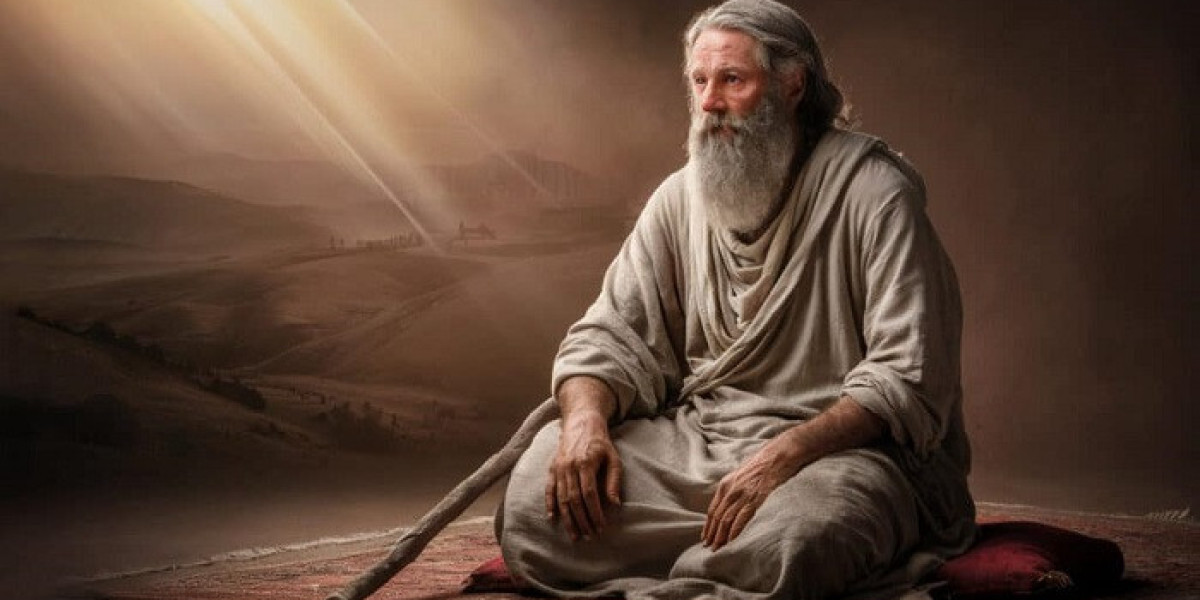

The Book of Genesis presents a sweeping story of creation, covenant, promise, and human struggle. It begins with the world’s origin. It ends with the formation of a chosen family. Within this long narrative, the story of Jacob holds a central place. His life shows continuity with earlier generations. His life also reveals new tensions. His life displays God’s shaping of a flawed man into a carrier of blessing. The following essay explores how his story fits into the broader structure of Genesis. It uses simple clauses and clear subheadings to show how Jacob stands at the heart of the book’s theological and narrative development.
Jacob in the Line of Promise
Jacob continues the Abrahamic promise
The narrative of Genesis presents Abraham as the first patriarch who receives a covenant. God gives him land. God gives him descendants. God gives him blessing. Isaac inherits this covenant. Jacob then becomes the next link. His story reflects this inheritance. It shows the passing of promise from one generation to the next. It also shows the challenges that arise as the promise grows. This continuity gives Jacob’s story its importance. He connects the early patriarchs with the tribes that will form Israel.
Jacob’s birth shows divine selection
Jacob’s birth story contains tension. It shows twins who struggle in the womb. It describes a prophecy about nations. It portrays Esau as the firstborn. It portrays Jacob as the younger. Yet the promise favors the younger. This reversal fits a pattern in Genesis. God chooses Seth instead of Cain. God chooses Isaac instead of Ishmael. God now chooses Jacob instead of Esau. This pattern strengthens the theme of divine sovereignty. It shows that God shapes the future through surprising means.
Jacob and the Theme of Human Conflict
Jacob’s early life shows deception
Jacob’s actions create conflict. He takes Esau’s birthright. He takes Esau’s blessing. He uses disguise. He uses cunning. His choices create tension within the family. Genesis does not hide his flaws. Instead, it highlights human weakness. It shows how God works through imperfect people. Jacob’s deceit becomes part of a longer pattern of human struggle that began with Adam and Eve. His story thus deepens the book’s portrayal of human brokenness.
Family conflict becomes a narrative device
Genesis uses family tension to move the story forward. Jacob must flee. He escapes Esau’s anger. He enters a new land. He meets new challenges. This movement creates narrative transition. It shifts the focus from Isaac’s generation to Jacob’s generation. It prepares the ground for Jacob’s later transformation. Human conflict becomes a tool in God’s plan.
Jacob’s Encounters with God
The Bethel vision marks a turning point
Jacob’s flight leads him to Bethel. He sleeps on a stone. He dreams of a ladder. He sees angels. He hears God’s voice. God renews the promise. God promises land. God promises descendants. God promises presence. This moment echoes God’s earlier encounters with Abraham and Isaac. It affirms that Jacob is now the chosen bearer of the covenant. It also introduces a personal relationship. Jacob responds with awe. He marks the place. He vows loyalty. This scene shows that the covenant is not only inherited. It is experienced.
The wrestling scene shows transformation
Jacob’s return home includes another encounter. He wrestles with a mysterious figure. He struggles all night. He refuses to release his opponent. He seeks blessing. He receives a new name. He becomes Israel. This scene marks a profound shift. Jacob moves from deception to persistence. He moves from cunning to courage. He emerges changed. This personal change affects the future. His descendants carry his new name. The scene reinforces the theme of struggle. Jacob struggles with God. He struggles with men. He survives. This struggle becomes symbolic for Israel’s later journey.
Jacob and the Formation of Israel
Jacob’s family becomes a nation
Jacob fathers twelve sons. Their lives shape the end of Genesis. They become the ancestors of the tribes of Israel. This transition from one man to many sons marks an important structural shift. The book keeps expanding. It begins with one family. It ends with a nation in seed form. Jacob stands at the center of this expansion. His story connects patriarchal history to national history.
The dynamics among his sons echo earlier patterns
The twelve sons repeat many of Jacob’s experiences. Rivalry appears again. Deception appears again. Joseph becomes favored. The brothers grow jealous. They sell him. This conflict mirrors Jacob’s own family tensions. Genesis thus uses repetition to show continuity. It reveals that the problems of one generation can reappear in the next. Yet it also shows that God continues to guide the story through human failure.
Jacob and the Broader Theological Themes of Genesis
The theme of blessing and struggle
Genesis presents blessing as a central theme. It also presents struggle. Jacob’s story brings both themes together. He receives blessing through struggle. He gains land through wandering. He gains a family through hardship. His life shows that blessing is not simple. It comes through trial. It comes through transformation. It comes through divine intervention. This message fits the theology of Genesis. God shapes people through difficulty.
The theme of divine faithfulness
Jacob’s mistakes are many. He deceives. He manipulates. He fears. He hesitates. Yet God remains faithful. God appears at Bethel. God appears at the Jabbok. God speaks again at Beersheba. God guides Jacob to Egypt. This constant presence reinforces the theme of enduring promise. The covenant survives human error. It grows through God’s steady intention. Jacob’s story becomes a witness to this faithfulness.
The theme of movement and migration
Genesis contains many journeys. Abraham travels from Ur. Isaac moves within Canaan. Jacob travels to Haran. He later returns. He finally goes to Egypt. These journeys shape the narrative. They show that the promise develops through movement. The land promise remains central. Yet the patriarchs do not settle permanently. Jacob’s story emphasizes this tension. He lives between promise and fulfillment. His movement sets the stage for Israel’s later journey in Exodus.
Jacob’s Role in the Transition Toward Exodus
Jacob’s descent into Egypt
The story of Joseph leads Jacob to Egypt. Famine strikes. Joseph provides aid. Jacob travels with his entire family. This move creates a major shift. It ends the patriarchal era. It prepares the narrative for the next book. Israel grows in Egypt. Israel becomes numerous. Israel faces oppression. This transition connects Genesis to Exodus. Jacob becomes a bridge figure. His decisions influence the future of his descendants.
The covenant continues despite displacement
Even though Jacob dies in Egypt, the covenant continues. God promises to bring Israel back. This promise becomes the foundation for the Exodus story. Jacob’s narrative thus points beyond itself. It extends the storyline. It shows that Genesis is not isolated. It serves as the beginning of a much larger biblical arc.
Conclusion
Jacob’s story fits into the larger narrative of Genesis because it connects the early promises to the later formation of Israel. It brings together themes of struggle and blessing. It reveals divine faithfulness. It prepares the transition to the next stage of salvation history. Through Jacob, Genesis shows how God uses imperfect people to build a future. His life becomes a turning point in the biblical story. It becomes a bridge between the patriarchal beginnings and the national destiny that follows.