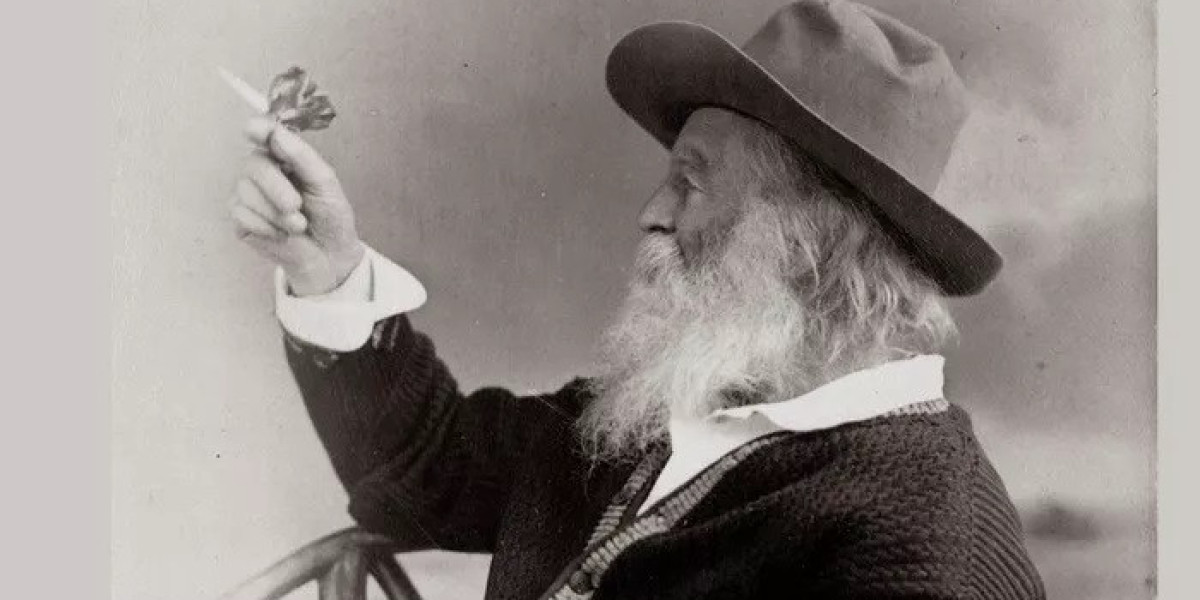

Walt Whitman’s poetry explores the human spirit. It celebrates life. It affirms the body. It acknowledges the soul. Whitman blends the sacred with the secular. He sees God in nature. He sees God in humanity. He sees divinity in everyday life. His poems move beyond traditional religious language. They invite readers to experience spirituality directly. They call for self-awareness. They call for connection with others. They call for reverence toward life itself. This essay examines the spiritual message in Walt Whitman’s work. It highlights his vision of the divine. It explores his views on the soul, nature, and humanity. It uses clear subheadings. It employs simple clauses to explain complex ideas. It shows how Whitman conveys spirituality through poetry.
Spirituality as Celebration of Life
Embracing the body and the soul
Walt Whitman presents spirituality as a holistic experience. He does not separate the body from the soul. In poems like Song of Myself, he praises the human body. He praises its senses. He praises its movement. He celebrates its desires. At the same time, he affirms the inner life. He recognizes emotions, thoughts, and intuition. Spirituality for Whitman is the harmony of body and soul. It is an integration of the physical and spiritual. He presents life itself as sacred. Every breath, every touch, every encounter carries divine significance. Whitman’s spirituality encourages acceptance of oneself. It celebrates human existence in its totality.
Finding the divine in ordinary life
Whitman locates spirituality in everyday experiences. He writes about work, travel, food, and conversation. He sees God in simple acts. He sees God in labor and in leisure. He finds divinity in mundane moments. This perspective challenges conventional notions of spiritual practice. One does not need a temple or a ritual to encounter God. Whitman’s message is that life itself is a path to the sacred. Every action and observation can be an act of worship. Poetry becomes a medium for experiencing the divine in ordinary life.
Connection with Nature as Spiritual Path
Nature as a reflection of divinity
Walt Whitman emphasizes nature as a source of spiritual insight. Trees, rivers, oceans, and skies appear frequently in his poetry. He presents nature as alive. He presents nature as interconnected with human life. In poems like Leaves of Grass, nature mirrors the soul. The cycles of seasons reflect human growth. The vastness of the sky reflects the infinite potential of the spirit. Nature serves as a teacher. It guides the reader toward reflection. It inspires awe and humility. Whitman’s spiritual vision relies on the natural world to reveal truths about existence.
Interdependence and unity
Whitman emphasizes the unity of all living things. Humans, animals, and plants share the same life force. He describes this interconnectedness as spiritual reality. He encourages respect for all forms of life. This interconnectedness fosters empathy. It strengthens community. It nurtures awareness of one’s place in the cosmos. The spiritual message here is that human life is part of a larger whole. To honor oneself is to honor the world. Whitman’s spirituality blends ecological consciousness with reverence for life.
Humanism and Divine Presence
Celebrating individuality
Walt Whitman highlights the sacredness of the individual. Each person has intrinsic value. Each person embodies divine potential. Spirituality, in Whitman’s view, begins with self-recognition. The poet invites readers to honor their uniqueness. Individual expression becomes a spiritual act. To love oneself and others is to participate in the divine. Whitman’s poems repeatedly encourage readers to embrace their identity. This human-centered spirituality challenges rigid religious hierarchies. It emphasizes personal experience as a route to transcendence.
Democracy and collective spirituality
Whitman extends his spiritual vision to society. He celebrates democracy as a spiritual ideal. Equality, freedom, and collective life reflect divine principles. He sees spiritual value in social bonds. Community life is sacred. Service to others embodies spiritual truth. Whitman’s poetry merges ethical life with spiritual insight. To care for others is to honor the divine. This perspective combines moral philosophy with spiritual practice. Spirituality is thus both personal and social. It is inward and outward. It emphasizes human responsibility alongside divine presence.
Death, Immortality, and the Eternal Soul
Death as transformation
Walt Whitman addresses mortality with spiritual insight. Death is not an end but a continuation. The soul persists. Energy flows from one form to another. Poems like When Lilacs Last in the Dooryard Bloom’d present death as part of a cosmic rhythm. Mourning becomes a recognition of life’s interconnectedness. Loss inspires reflection on life’s sacredness. Whitman’s spiritual message affirms that death transforms rather than destroys. The eternal nature of the soul assures continuity and hope.
Immortality through memory and experience
Whitman suggests that humans achieve spiritual immortality through memory and shared experience. Lives remembered, deeds honored, and words preserved continue beyond death. Poetry itself is a vessel for eternal life. It preserves human spirit and divine presence. Whitman encourages readers to create, witness, and remember. Immortality is relational, not abstract. It exists in relationships, actions, and the shared world. Spirituality is therefore participatory, dynamic, and enduring.
The Role of Poetry in Spiritual Life
Poetry as sacred language
For Walt Whitman, poetry is a form of worship. Words carry sacred power. The act of writing and reading poetry becomes spiritual practice. Poetry communicates truths that transcend logic. It expresses awe, gratitude, and wonder. In Leaves of Grass, every line affirms life and divinity. Poetry shapes perception. It cultivates awareness of the spiritual dimensions of reality. Whitman’s message is that art itself is a spiritual bridge. It connects human experience to the divine.
Invitation to direct experience
Whitman invites readers to engage directly with the spiritual. Ritual, scripture, and doctrine are not denied, but they are supplemented by personal experience. To walk in nature, to observe humanity, to reflect on one’s own body and soul is to encounter the sacred. Poetry is a guide. It models attention, mindfulness, and reverence. Whitman’s work encourages active participation in spiritual life. His poems function as maps for the soul. They show readers how to navigate wonder, awe, and divine presence in everyday existence.
Conclusion
The spiritual message in Walt Whitman’s poetry is profound. It embraces body and soul. It honors individuality. It celebrates community. It reveres nature. It affirms life, death, and immortality. Poetry becomes a sacred act. Spirituality becomes an inclusive experience. Whitman’s vision blends humanism with reverence for the divine. The spiritual message is that divinity exists in the ordinary, in human relationships, and in the cosmos. Walt Whitman inspires readers to see life as sacred. He teaches that joy, suffering, and wonder are part of the divine plan. Through his poetry, the soul learns to recognize, embrace, and celebrate the eternal presence within and around us. Whitman’s work remains a guide for spiritual reflection, showing that spirituality is both personal and universal.